
The Herbalism of the Völva: Ancient Scandinavian Plant Lore and Medicine
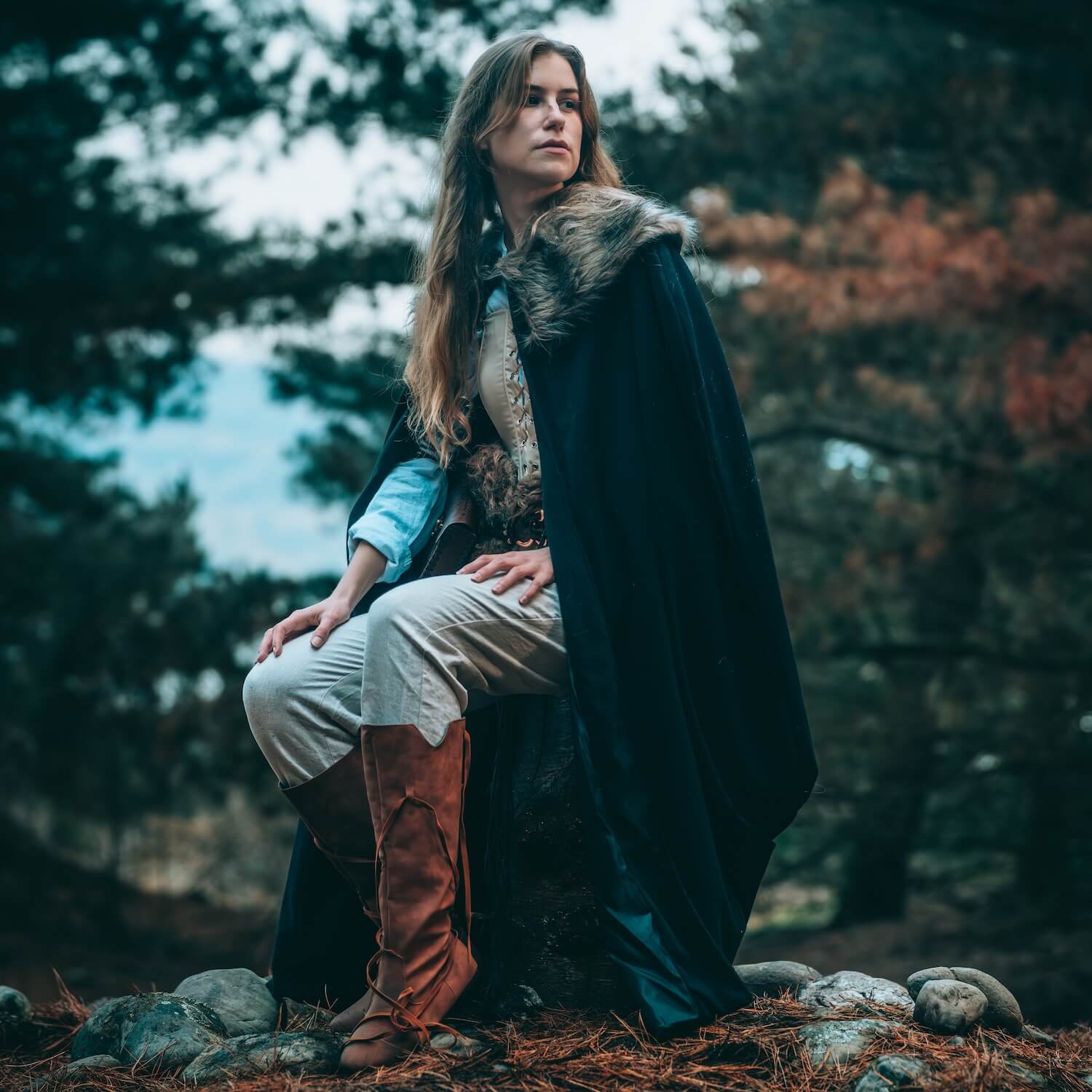
In the popular imagination, the Viking Age is often defined by the ring of steel, the roar of battle, and the expansion of trade routes. Yet behind every voyage and every harsh winter was a quiet, constant struggle against illness, infection, and environmental trauma. In early Scandinavian society, health and healing were intrinsically linked to the natural world. At the center of this practice stood the Völva, a respected seeress and practitioner of "Seiðr" (shamanic magic). While mythology often highlights their spiritual foresight, the Völva was also a practical master of botany, using an intimate knowledge of native flora to keep her community alive.
The Sacred Role of the Völva as Healer
In Old Norse culture, the boundary between physical medicine and spiritual belief was fluid. Sickness was frequently viewed as a physical ailment caused by environmental exposure or a manifestation of spiritual imbalance and dark magic. The Völva occupied a unique position as a bridge between these worlds.
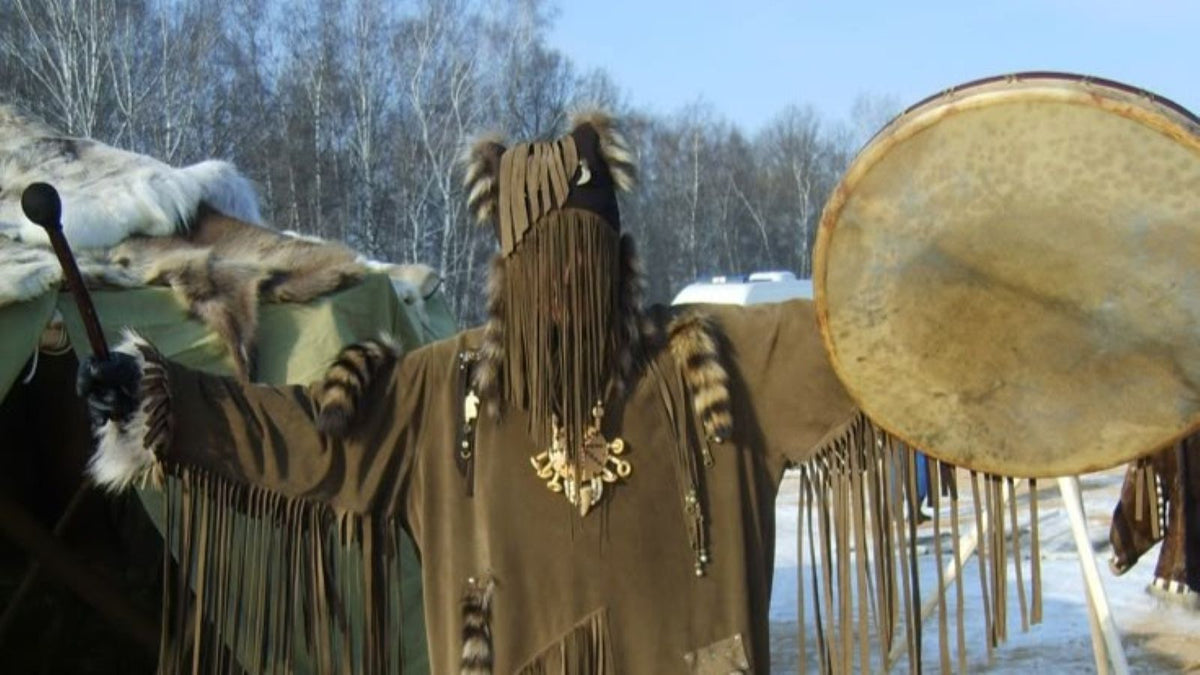
Because she traveled between settlements to offer counsel, perform rituals, and tend to the sick, her knowledge of regional plant life was unmatched. Her authority was symbolized by her staff, a tool used both in spiritual practice and as a practical walking aid through the dense Scandinavian wilderness. The Völva understood that to heal the body, one had to respect the spirits of the land and gather plants at precise moments when their natural properties were thought to be most potent.
Meadowsweet and Yarrow: The Natural Painkillers
Long before modern pharmaceuticals, the forests and fields of Scandinavia provided effective pain relief and anti-inflammatory remedies. One of the most vital plants in the herbalist’s kit was Meadowsweet (Filipendula ulmaria). Native to damp meadows across the North, this cream-colored flower contains salicin, a chemical compound closely related to modern aspirin. The Völva brewed Meadowsweet into teas to reduce fever, soothe joint pain, and ease headaches after physical labor.
For wounds sustained in daily homesteading or battle, Yarrow (Achillea millefolium) was an indispensable tool. Known traditionally as "soldier's woundwort," Yarrow contains natural styptic properties that accelerate blood clotting when crushed and applied directly to a cut. It also possesses mild antibacterial qualities, making it essential for dressing open wounds to prevent the deadly infections that often followed physical injuries in the medieval world.
Angelica and Birch: Winter Survival and Purification
Surviving the brutal Scandinavian winter required plants that could support the immune system and prevent nutrient deficiencies. Angelica (Angelica archangelica) was considered so powerful that it was later named after the angels. Rich in vitamins and minerals, the thick roots and stalks of Angelica were eaten raw, boiled into broths, or stored in winter cellars. The plant acted as a powerful expectorant for respiratory illness, clearing chest congestion during cold snaps.
Equally vital was the common silver birch. The Völva utilized almost every part of this iconic tree. The inner bark was steeped into anti-inflammatory teas, while the spring sap was collected as a mineral-rich tonic to restore strength after months of limited food supplies. Furthermore, birch tar was distilled to create a sticky, antiseptic salve applied to skin conditions, fungal infections, and open sores.
Poisonous Flora and the Realm of Trance
The plant lore of the Völva extended into dangerous territory. To perform her spiritual duties, including trance work and communication with the ancestral realms, the seeress possessed expert knowledge of toxic plants like Henbane (Hyoscyamus niger) and Nightshade.
Archaeological excavations at the famous Fyrkat fortress burial site in Denmark revealed a Völva’s grave containing a small pouch filled with Henbane seeds. In extremely small, carefully controlled doses, Henbane can induce hallucinations, mild anesthesia, and a feeling of weightlessness. In large doses, however, it is fatal. The presence of these seeds proves that the Völva operated with a high degree of pharmacological precision, walking a fine line between mind-altering ritual medicine and deadly poison.
The Lasting Legacy of Norse Botanicals
The practice of Norse herbalism reveals a society deeply attuned to its environment, relying on observation, trial, and generations of accumulated wisdom. Long after the Viking Age ended, the botanical knowledge cultivated by the Völva lived on in rural Scandinavian folk medicine. Today, as interest in natural wellness and plant-based living grows, the ancient remedies of the North serve as a powerful reminder of humanity's enduring connection to the healing power of the earth.