Thor’s Hammer (Mjölnir): Why It Was the Most Popular Viking Amulet
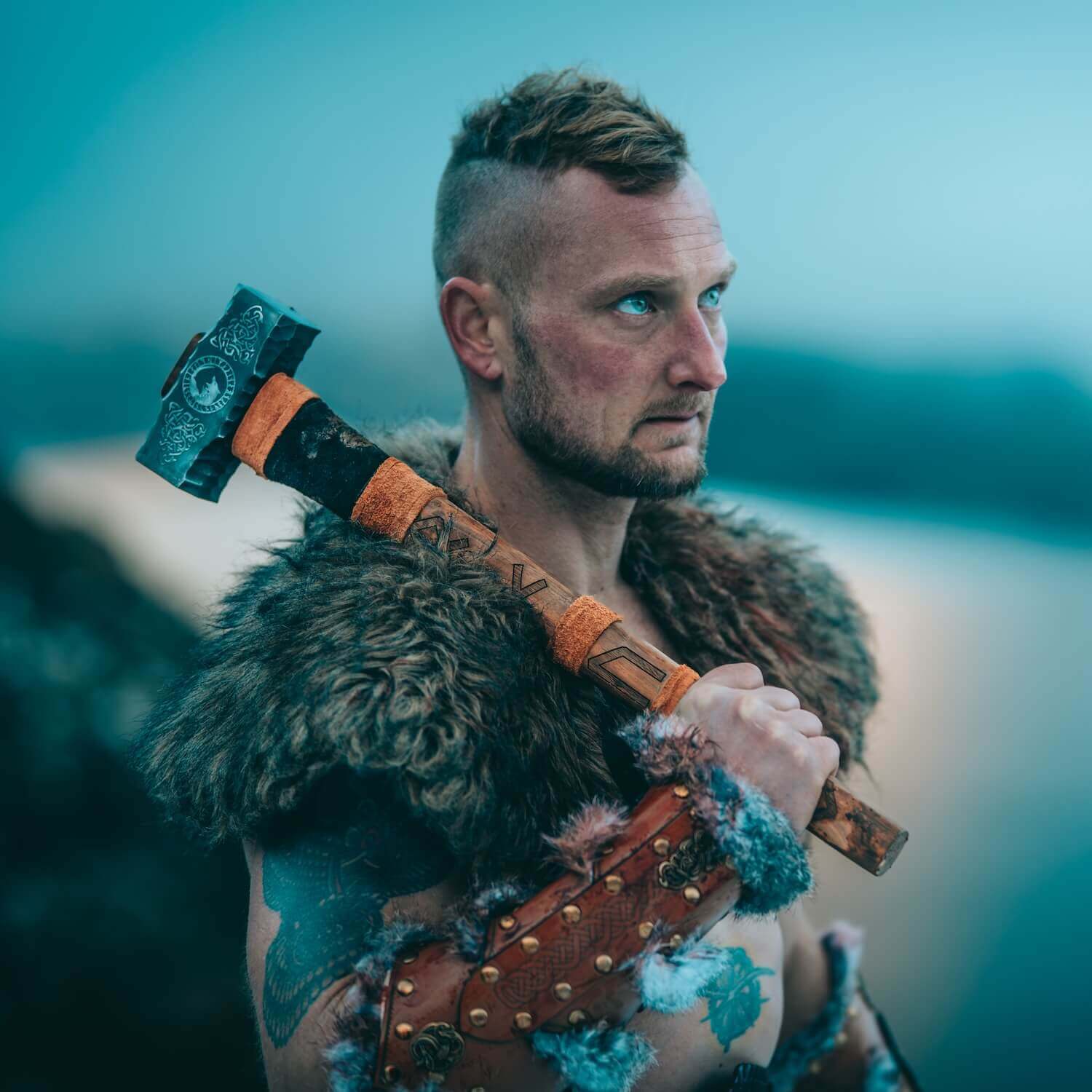
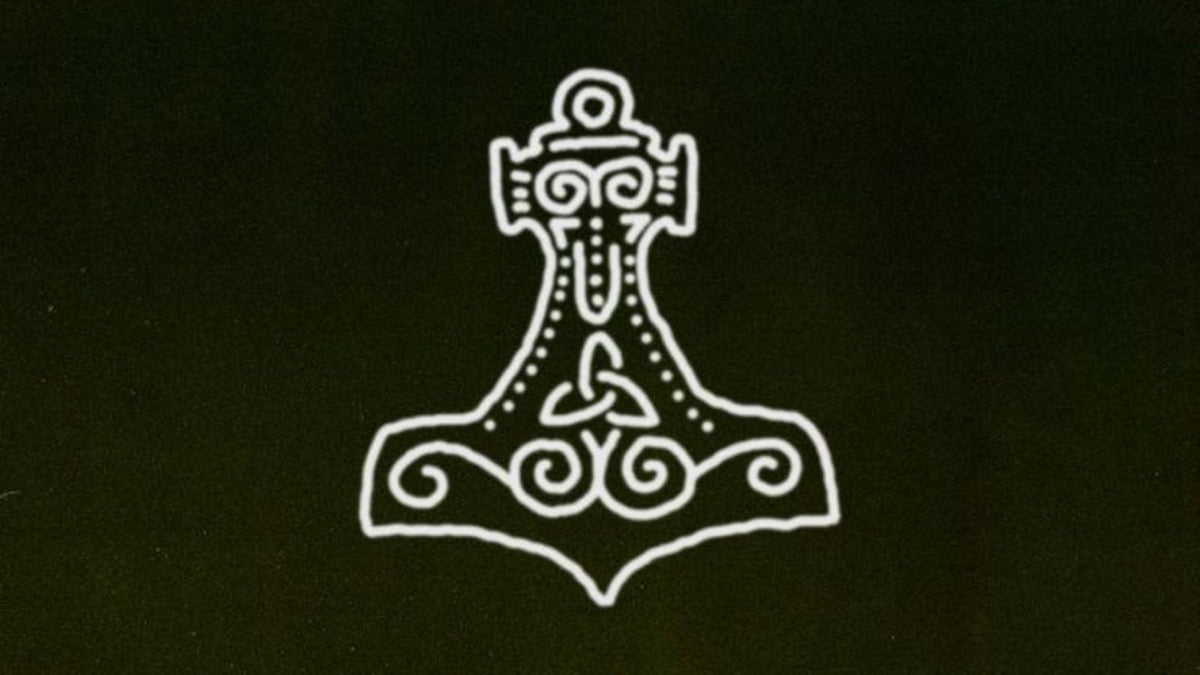
Across the wind-swept landscapes of Scandinavia, the British Isles, and Eastern Europe, archaeologists have unearthed thousands of metal pendants dating back to the Viking Age. Among these historical finds, one shape appears far more frequently than any other: a distinct, T-shaped hammer known as Mjölnir.
While popular fiction often frames the hammer exclusively as a weapon of war used to smash giant boulders and summon lightning, the historical reality is far richer. For men, women, and children of the ancient North, wearing a Thor’s hammer amulet was an everyday practice, a deep expression of faith, protection, community belonging, and cultural pride.
The Protector of the Everyday Person
To understand why Mjölnir amulets were so ubiquitous, one must look at Thor’s distinct place in the Old Norse pantheon. While Odin was viewed as the patron of kings, poets, and high-ranking warband leaders, Thor (Þórr) was the god of the everyday person. He was the champion of free farmers (bændur), sailors, craftsmen, and common warriors.
In Norse cosmology, Thor was the primary defender of both Asgard (the realm of the gods) and Midgard (the realm of humanity). Armed with Mjölnir, he kept the destructive forces of chaos, giants (jötnar), and wild sea monsters at bay. Wearing his hammer in miniature form was a way for ordinary people to place themselves directly under his personal protection, warding off bad luck, physical harm, and evil spirits.
Sanctification and the Ritual Power of the Hammer
In Old Norse culture, Mjölnir was not merely a weapon; it was a sacred tool used for hallowing (vígja) and consecrating important life transitions. The act of making the sign of the hammer or placing a hammer emblem over a person or object conferred divine blessing and protection.
-
Marriages: Sagas detail how a Mjölnir replica was placed in the bride’s lap during wedding ceremonies to bless the union with fertility and happiness.
-
Funerals: Mjölnir symbols were carved onto grave goods, memorial runestones, and cremation urns to hallow the resting site and protect the soul on its journey to the afterlife.
-
Land Bounds: When settlers established new homesteads in places like Iceland, the hammer symbol was used to mark property boundaries and hallow the assembly grounds (Things) where laws were established.
A Symbol of Cultural Defiance
The dramatic spike in Mjölnir amulet production during the 10th and 11th centuries reveals a fascinating historical dynamic: the hammer as a statement of identity during religious transition.
As Christian missionaries spread across Scandinavia, converts began wearing silver crucifixes around their necks. In response, followers of the old ways adopted Mjölnir pendants as an explicit counter-symbol. Wearing a hammer was a bold, proud declaration of loyalty to ancestral traditions, the land spirits, and the gods of the North.
Archaeological finds highlight this period of cultural overlap. In sites like Foss in Iceland and Trendgården in Denmark, metalworkers' stone molds have been discovered featuring side-by-side matrices for casting both Christian crosses and pagan hammers from the exact same molten silver.
Crafts of Silver, Iron, and Amber
Mjölnir amulets were worn across all levels of Norse society, and their materials reflected the owner's wealth and standing:
-
Silver and Gold: High-status pendants featured intricate filigree work, granulation patterns, and animal head loops to thread onto heavy silver neck rings.
-
Iron: Wrought iron hammers were widely worn by common farmers and laborers, often suspended from simple leather cords or iron wire rings.
-
Amber and Bone: In coastal trading hubs like Birka and Hedeby, craftsmen carved hammers from Baltic amber and animal bone, creating accessible protective charms for everyday travel.
The Modern Legacy of Mjölnir
The enduring popularity of Thor’s hammer proves that Mjölnir was always far more than an instrument of battle. It was a unifying symbol of resilience, hallowed protection, and steadfast loyalty to home and community. Wearing Mjölnir today connects the wearer directly to a thousand-year tradition of strength, courage, and pride in the face of life's stormiest weather.