Viking Hair and Beard Styles: Historical Facts vs. Hollywood Myths
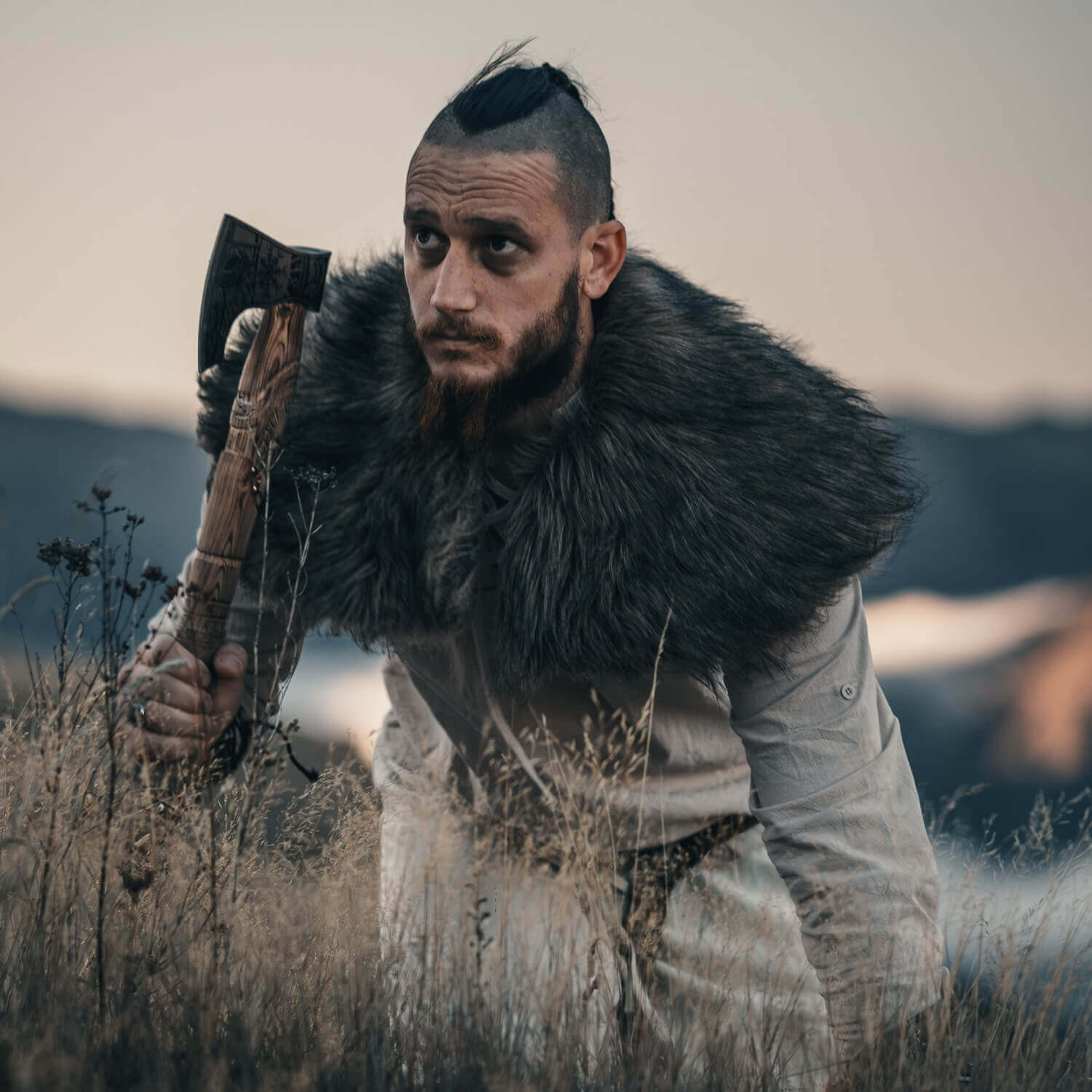
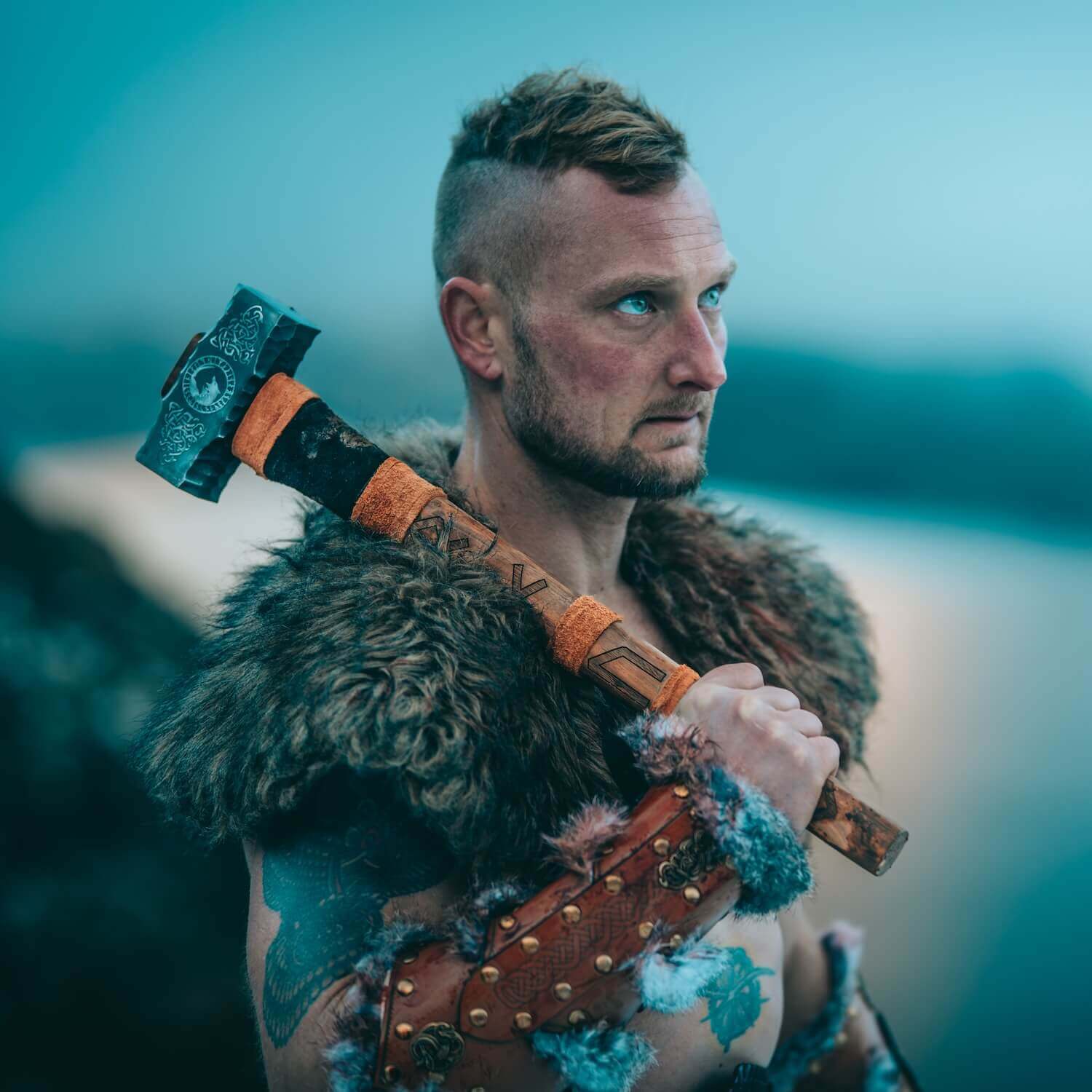
Modern popular culture has created an iconic image of the Norse warrior: wild, unkempt manes, braided mohawks, shaved sides, and grimy, tangled beards. Media portrayals often project a savage, unwashed aesthetic onto early medieval Scandinavians. However, archaeological discoveries, contemporary historical accounts, and legal codes paint a drastically different picture. The people of the Viking Age were deeply invested in personal grooming, maintaining distinct hair and beard styles that signaled social status, age, regional identity, and immense personal pride.
The Myth of the Unwashed Barbarian
The idea that the Norse were filthy and uncared-for is completely contradicted by the historical and archaeological record. Archaeologists routinely uncover grooming kits across Scandinavia and the British Isles, often buried alongside warriors and high-status women.
These toolkits included finely carved bone and wooden combs, tweezers, ear spoons for cleaning wax, fingernail cleaners, and small iron razors. Fine-toothed combs were among the most common personal possessions in the Norse world, carried in protective leather sheaths attached to waist belts.
Furthermore, Anglo-Saxon chroniclers frequently complained about the grooming habits of Norse settlers in England. John of Wallingford, an English monk, wrote disapprovingly that the Danes were irresistible to local women because they bathed every Saturday (Laugardagr, which literally translates to "washing day"), combed their hair daily, changed their clothes regularly, and took pride in their physical appearance.
The Reverse Mohawk: The Authentic Norse Cut
While modern television shows favor intricate shaved undercut patterns and side braids, the actual high-fashion haircut for Norse men in the 10th and 11th centuries was quite distinct: the reverse mohawk, or the "Norman" crop.
Historical sources, including the famous Bayeux Tapestry and letters from Anglo-Saxon scholars, describe a haircut characterized by hair grown long and full at the front and top of the head, paired with the back of the head and neck shaved entirely smooth.
This style served both practical and aesthetic purposes. Shaving the back of the neck kept hair from getting caught in the scales of mail shirts or rubbing uncomfortably against heavy wool collars during march and combat. Meanwhile, the longer bangs at the front could be swept back or braided to stay clear of the eyes. An Anglo-Saxon letter from the period explicitly warns young Englishmen against adopting the "Danish fashion" of bare necks and long blinding fringes, proving how widely imitating Norse hair trends became across occupied territories.
Beards: Neatness, Pride, and the Law
The beard was a primary symbol of manhood, maturity, and free status in Old Norse society. Going beardless was typically associated with young boys, servants, or slaves (thralls), whose hair was cut short as a mark of servitude.
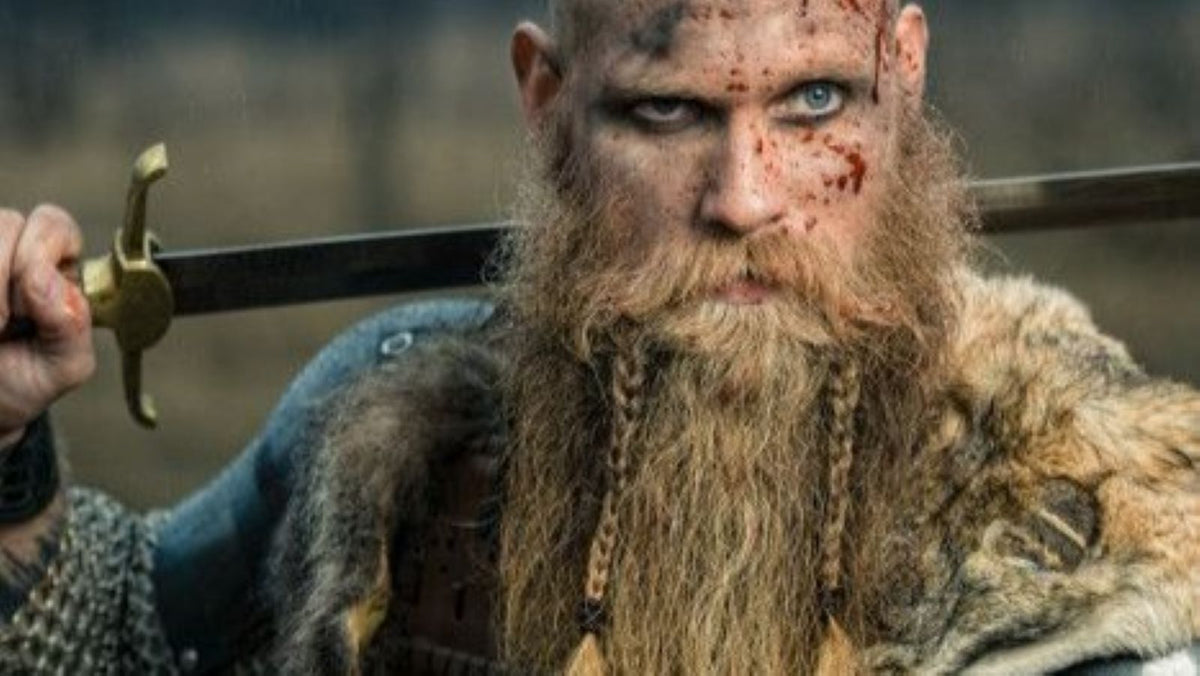
However, a Viking beard was far from the matted, food-stained mass often seen in fantasy media. Beards were carefully washed, combed daily, and trimmed regularly with iron shears. Style variations existed across different regions:
-
The Forked Beard: Split down the middle into two distinct points, a style famously worn by King Sweyn Forkbeard.
-
The Pointed Full Beard: Closely cropped along the cheeks and jawline, tapering into a neat point at the chin.
-
Braided Beards: Long beards were often braided or bound with small metal beads to keep them neat during physical labor, sea voyages, and battle.
The cultural value placed on a beard was so high that it was protected by law. The Icelandic legal code (Grágás) explicitly stated that pulling, damaging, or insulting another man’s beard was a grave offense that warranted heavy financial compensation or a duel. Calling a man "beardless" (skegglauss) was a severe legal insult, as it questioned his virility and legal standing as a free warrior.
Women’s Hairstyles: Length, Knots, and Social Status
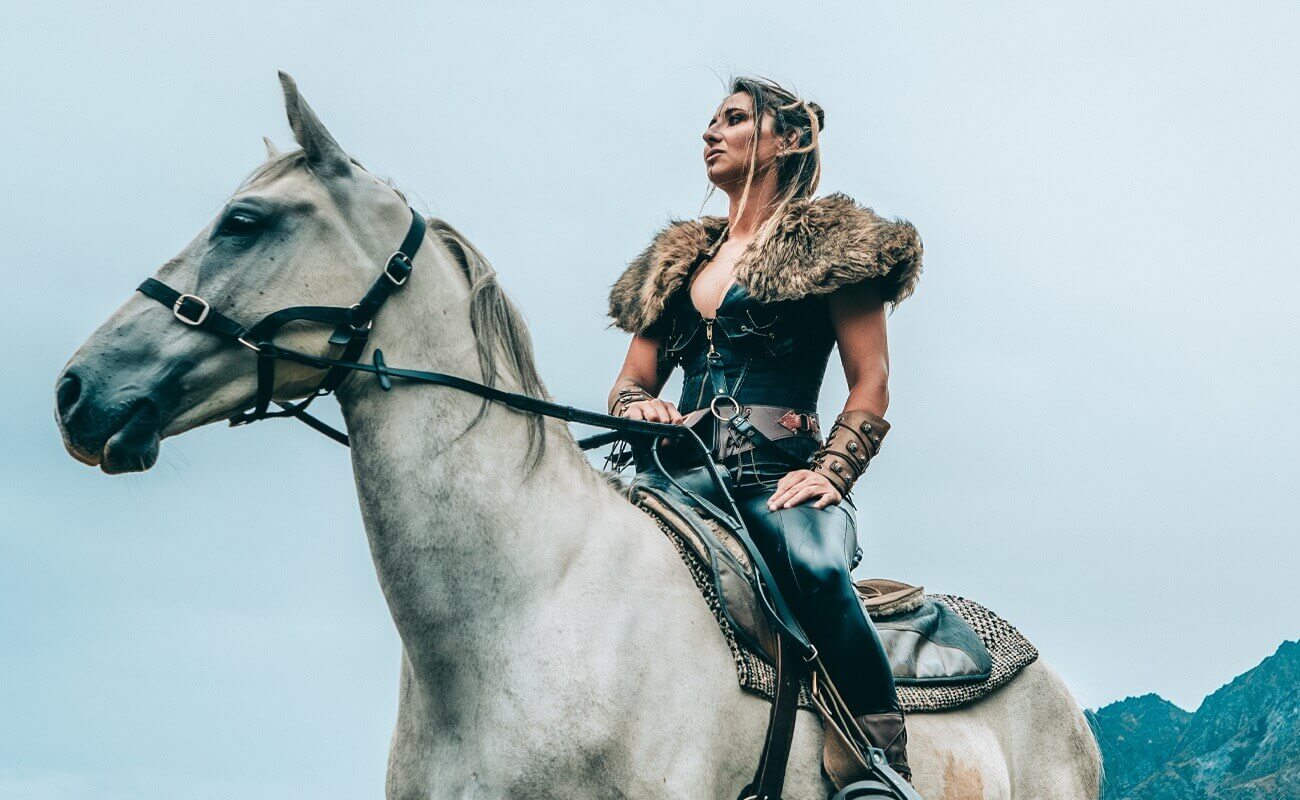
Norse women took equal pride in their hair, which was viewed as a primary marker of health, marital status, and social position. Long, thick hair was highly prized and meticulously cared for with specialized combs.
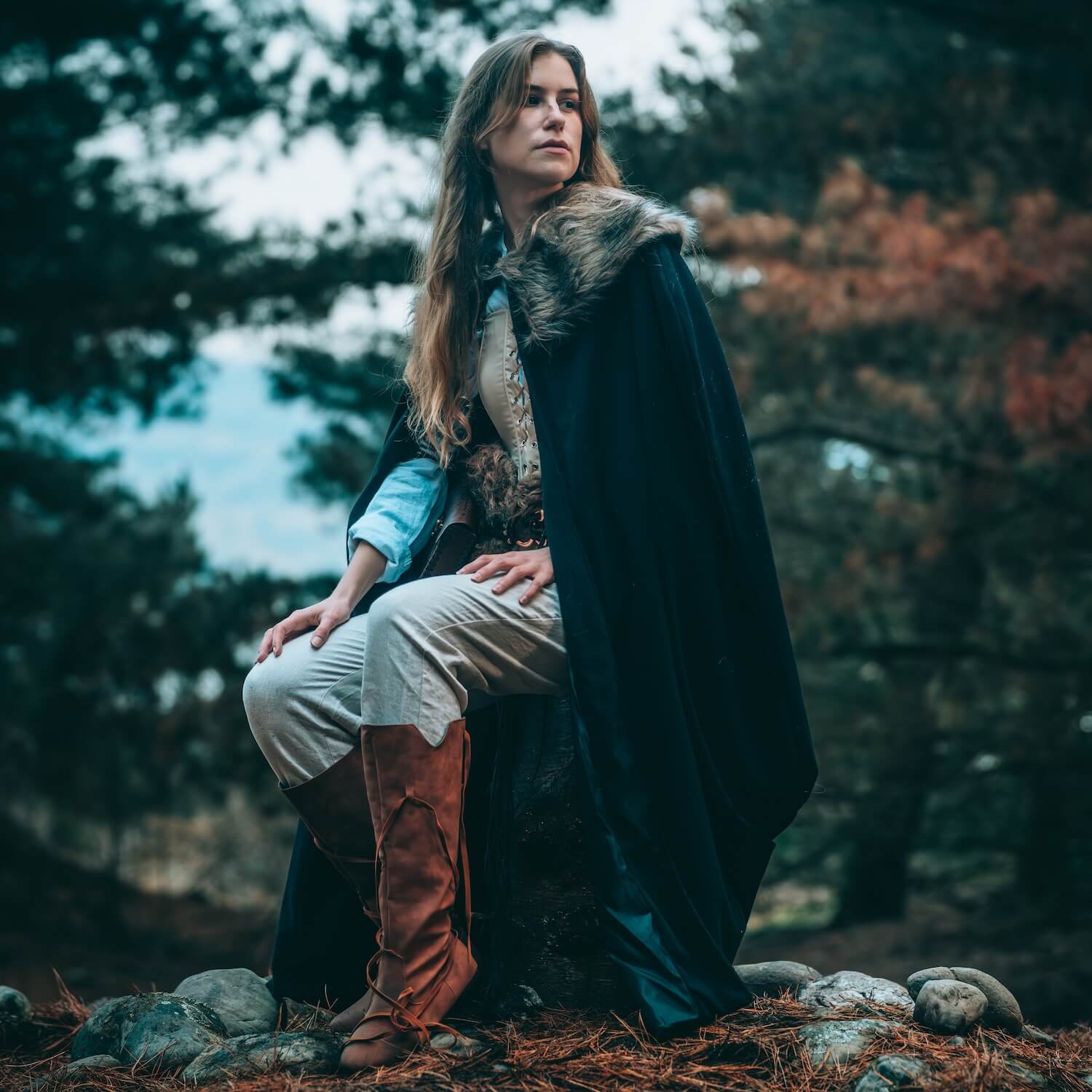
Unmarried women typically wore their hair loose or simply braided to signify their youth and availability. Married women, or women of high estate who managed farmsteads and longhouses, wore their hair pulled back into elaborate, tight knots at the back of the head, often secured with bone pins, ribbons, or silk scarves.
Archaeological finds from sites like Birka in Sweden reveal silver and gold filigree hair ornaments, indicating that women used decorative fittings to accent their braided knots during formal gatherings, feasts, and religious ceremonies.
Grooming as a Daily Discipline
The authentic reality of Viking hair and beard styles reveals a culture built on self-respect, discipline, and attention to detail. Rather than wild savages, the Norse were the trendsetters of early medieval Europe, establishing grooming standards that combined functional practicality for battle with sophisticated personal style.