The Valknut Symbol: Meaning, Origins, and Modern Misconceptions
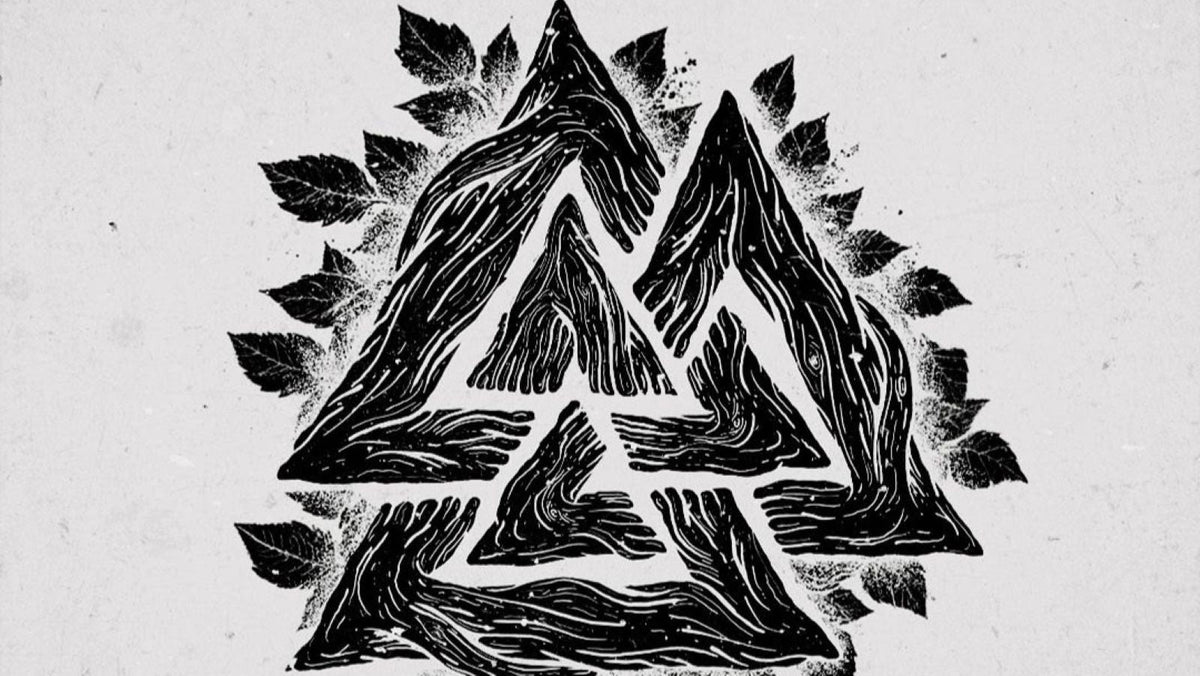
Few symbols from the ancient world carry as much mystery, visual intrigue, and historical weight as the Valknut. Consisting of three interlocking triangles, this striking geometric emblem has become one of the most recognizable icons associated with Old Norse culture and Viking Age art. It appears on modern jewelry, album covers, and tattoos worldwide. Yet, despite its modern ubiquity, the historical meaning of the Valknut remains one of the most intensely debated subjects among archaeologists and scholars of Northern antiquity.
Archaeological Origins: Carved in Stone and Wood
Unlike Thor’s hammer or runic inscriptions, the name "Valknut" does not appear anywhere in Old Norse sagas or medieval manuscripts. It is an artificial compound word coined by modern Norwegian scholars, combining valr (slain warriors) and knut (knot); translating literally to "Knot of the Slain."
In the archaeological record, the symbol appears consistently across Northern Europe dating from the 8th to the 10th centuries. It is found primarily in contexts associated with death, burial, and the transition to the afterlife:
-
Gotland Picture Stones: The most famous occurrences are found on the Swedish island of Gotland, particularly on the Stora Hammars stone. Here, the symbol appears directly above scenes depicting human sacrifice, battlefields, and figures riding toward burial mounds.
-
The Oseberg Ship Burial: Excavated in Norway, this lavish 9th-century royal burial contained a carved wooden bedpost and a tapestry fragment bearing the three interlocking triangles alongside burial processions.
-
Anglo-Saxon Rings and Urns: The symbol also appears on silver finger rings from Peterborough and cremation urns in England, demonstrating its presence across the broader Germanic world.
Geometrically, the symbol exists in two forms: as a single continuous line that weaves into three interlocked loops (a unicursal knot), or as three distinct Borromean rings overlapping one another.
Connection to Odin and the Realms of the Dead
Because the symbol appears almost exclusively alongside scenes of death, sacrifice, and martial power, historians strongly associate the Valknut with Odin, the High One of Asgard.
In Norse mythology, Odin was not merely a god of war; he was the lord of the slain, a master of shamanic magic (seiðr), and the ruler of Valhalla. He possessed the power to place mental "knots" or paralysis on enemy warriors in combat, a state known as herfjöturr (war-fetter), while loosening the minds of his own chosen champions to fight without fear or pain.
Scholars believe the three interlocking triangles represented Odin's ability to bind and unbind human fate, mind, and spirit. The nine points created by the three triangles are also thought to symbolize the Nine Realms of Norse cosmology, centered around the world tree Yggdrasil, representing the soul’s journey between the worlds during death.
Debunking Modern Misconceptions
Because popular media often simplifies ancient mythology, several widespread myths have surrounded the Valknut in recent years:
-
Myth 1: It was a common Viking battle flag or warrior tattoo.There is zero archaeological evidence that Norse warriors tattooed their bodies with the Valknut or painted it on their shields before battle. It was primarily a funerary symbol carved on stone monuments, memorial items, and grave goods.
-
Myth 2: It is an ancient symbol for "bad luck" or early death.A popular modern myth claims that wearing the Valknut invites Odin to bring an early or violent death to the wearer. In reality, historical Scandinavians placed the symbol on sacred items and grave goods as a mark of divine protection, honor, and safe passage to the afterlife.
-
Myth 3: It is the same as the Triskele or Triple Horn of Odin.While also featuring triple symmetry, the Triple Horn of Odin consists of three interlocking drinking horns associated with poetic inspiration and the Mead of Poetry, whereas the Valknut is strictly built from straight-lined triangles.
An Enduring Symbol of Honor and Memory
The Valknut stands as a silent testament to how the ancient North viewed the mystery of mortality. Rather than fearing death, the Norse viewed it as a transition overseen by Odin, where honor, memory, and spiritual destiny converged. Today, the three interlocking triangles continue to serve as a powerful emblem of ancestral connection, mental strength, and deep respect for the sacred cycle of life and fate.