Housecarls vs. Berserkers: Elite Warriors of the North
The battlefield doctrine of early medieval Scandinavia was far more varied than popular culture suggests. While the average warband consisted of freeholders and seasonal raiders, kings and chieftains relied on specialized elite forces to secure victories. Among these, two legendary martial traditions stand out: the Housecarls and the Berserkers. Representing completely opposite philosophies of combat, one relied on absolute discipline and iron gear, while the other channels psychological fury and animal spirit.
The Housecarls: Professional Standing Armies
Originating from the Old Norse term húskarlar (literally "house men"), Housecarls were the household troops of Scandinavian kings, jarls, and Anglo-Danish noblemen. Unlike temporary levies called up for seasonal raids, Housecarls were full-time, salaried professional soldiers who lived, trained, and ate in the lord's hall.
They were subject to a strict legal code that mandated absolute loyalty to their lord, rigorous personal conduct, and meticulous care for their equipment. In exchange for their service, they received housing, high status, silver, and prestigious weaponry.
Equipment and Tactics of the Housecarl:
-
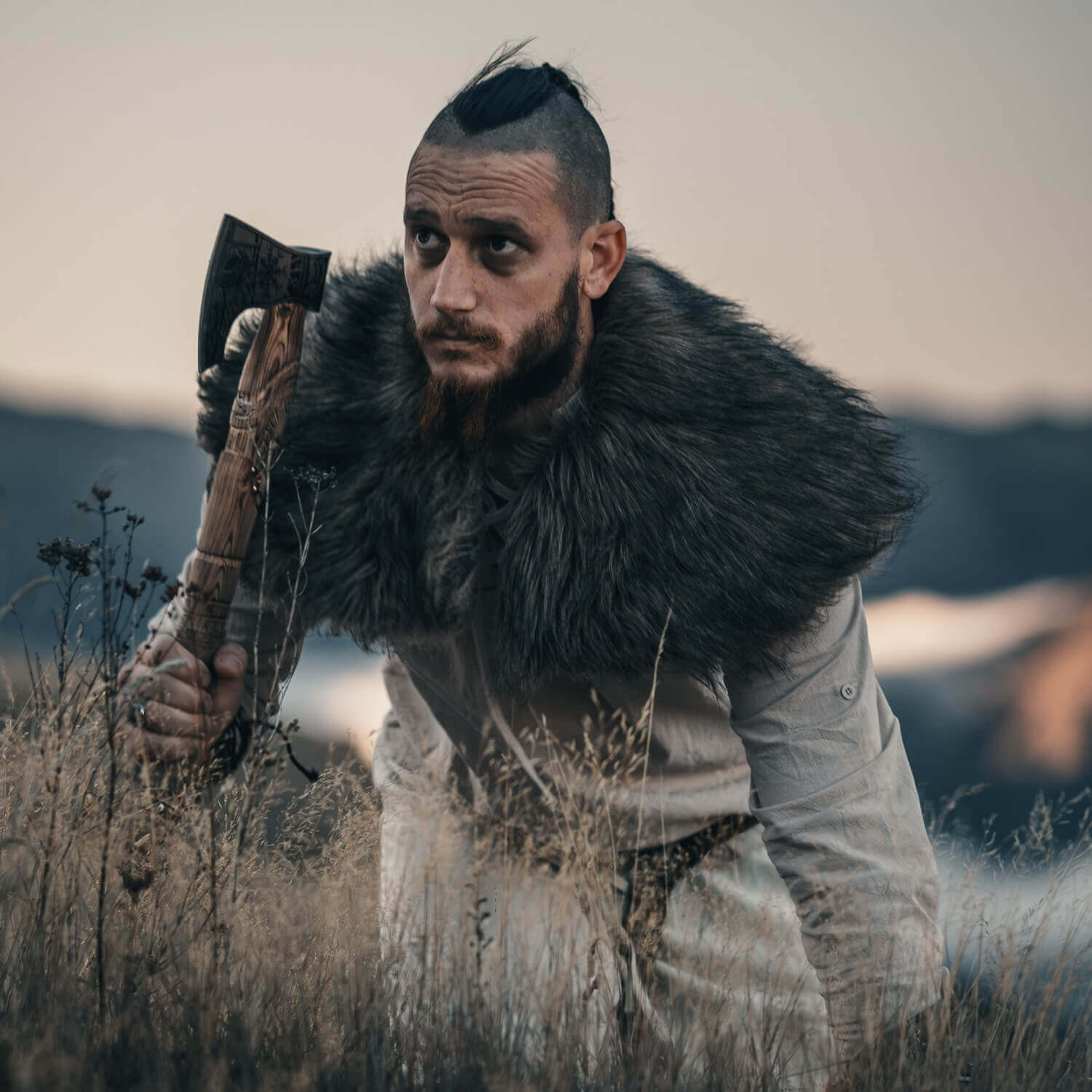
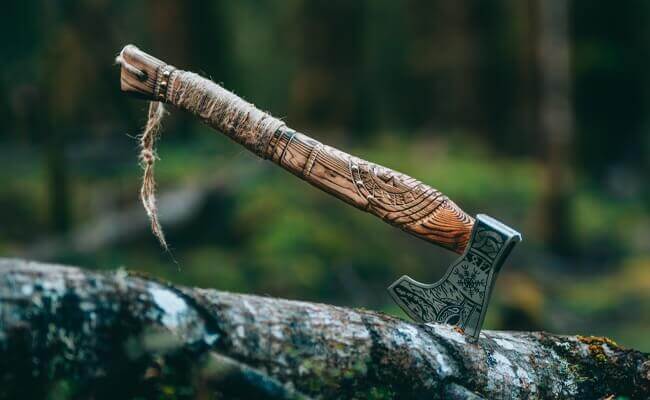
The Dane Axe: The signature weapon of the Housecarl was the two-handed Dane axe. Featuring a broad blade mounted on a four-to-five-foot shaft, it could sever limbs or split a helmeted head in a single stroke.
-
Heavy Armor: Housecarls possessed the finest defense available, including full mail shirts (byrnies), conical iron helmets with nasal guards, and heavy wooden shields.
-
Disciplined Formations: They served as the anchor of any shieldwall. Operating with tight cohesion, Housecarls could maintain structural integrity under heavy cavalry charges or prolonged infantry pressure.
The ultimate display of Housecarl discipline occurred at the Battle of Hastings in 1066. King Harold Godwinson's elite Housecarls held the crest of Senlac Hill for hours, beating back repeated cavalry charges from Duke William’s Norman forces until their king fell.
The Berserkers: Psychological Warfare and Cultic Fury
Where Housecarls embodied military order, Berserkers (berserkir) represented uncontrolled chaotic power. Derived from Old Norse words meaning "bear-shirt," Berserkers were shock troops deeply tied to cultic practices worshipping Odin, the god of war, ecstasy, and poetry.
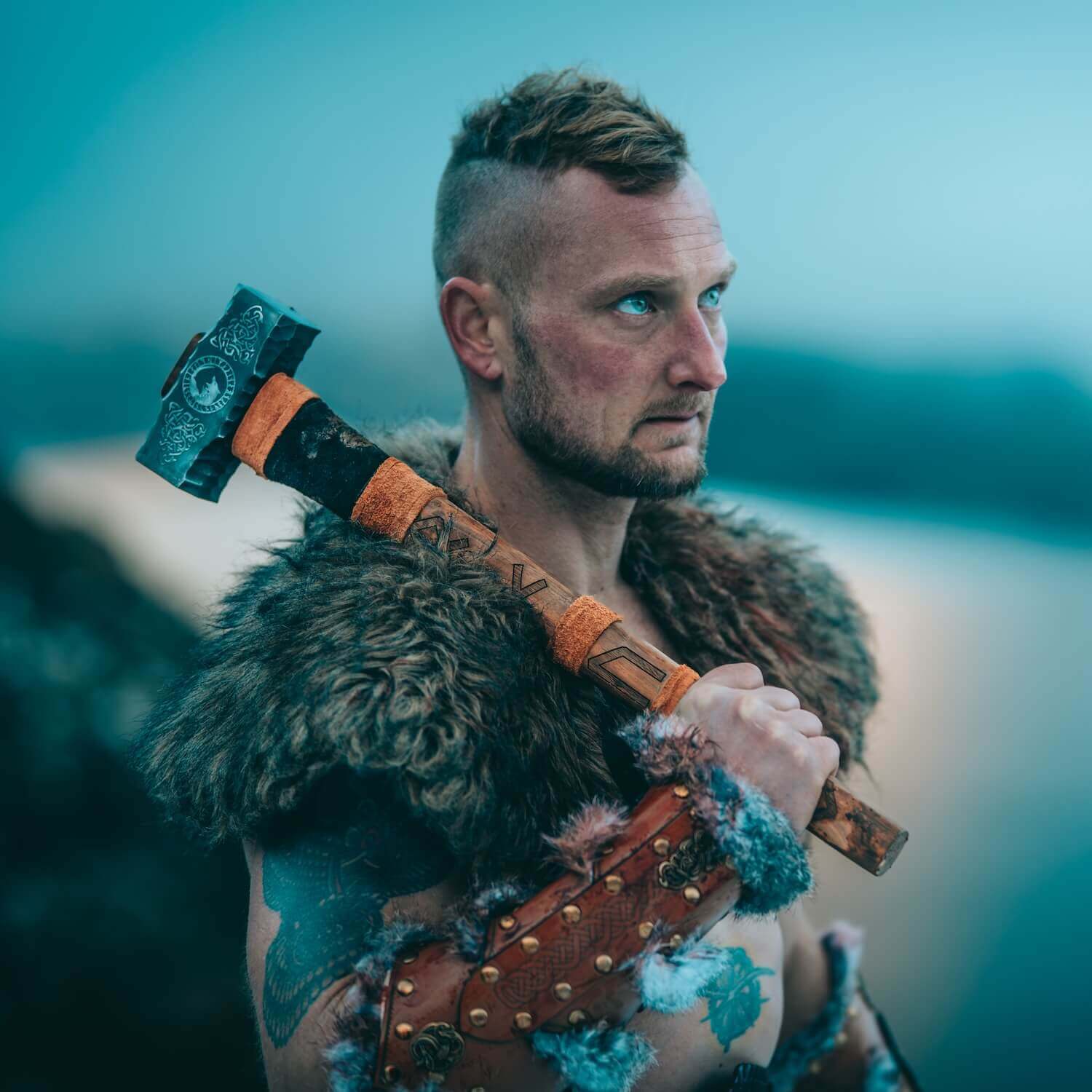
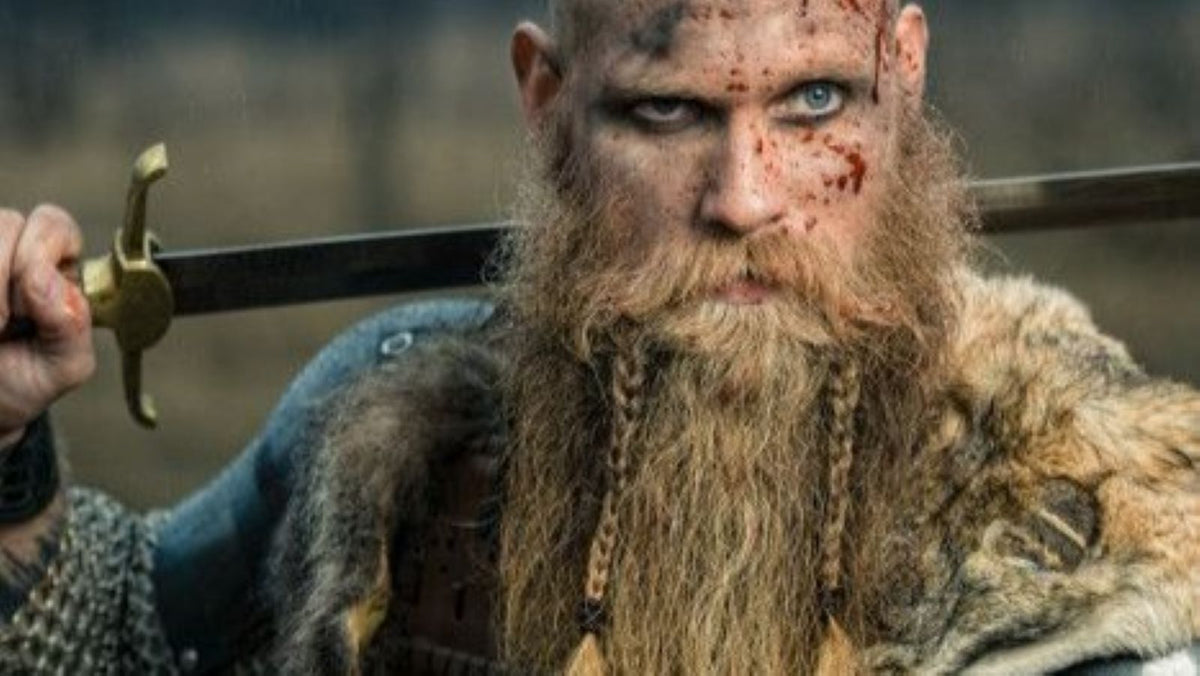
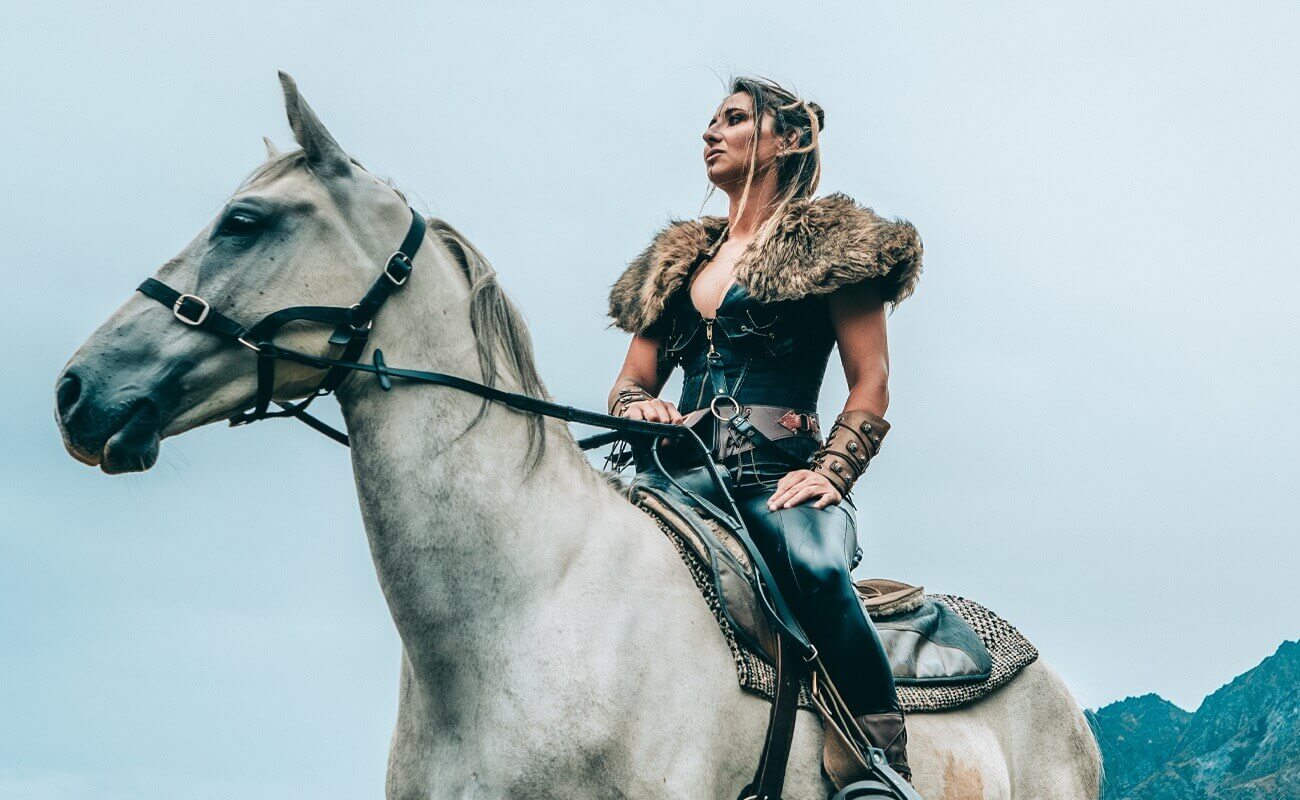
Berserkers were believed to enter a state of frenzy called berserksgangr. During this trance, their heart rates spiked, their pain tolerance spiked dramatically, and they allegedly lost sensitivity to extreme weather or minor injuries. Sagas describe them biting the rims of their shields, howling like wild beasts, and charging into battle without traditional mail armor, wearing only the pelts of bears or wolves (úlfheðnar).
Role and Reputation on the Battlefield:
-
Shock Value: Kings used small groups of Berserkers at the vanguard of an attack. Their reckless aggression and terrifying appearance were designed to break enemy morale before physical contact was made.
-
Royal Bodyguards: Harald Fairhair, the first King of Norway, famously employed Berserkers on his flagship as personal shock troops due to their terrifying effectiveness in boarding actions.
-
Social Outcasts: Outside of war, Berserkers were often feared and disliked by civilian society. Old Norse laws eventually outlawed the practice of berserksgangr as kingdoms standardized their legal systems and Christianized the region.
Comparing the Two Martial Traditions
| Attribute | Housecarls | Berserkers |
| Primary Function | Core shieldwall anchor, royal bodyguard | Vanguard shock troop, psychological breaker |
| Combat Style | Disciplined unit tactics, formation fighting | Individual frenzy, terrifying aggression |
| Equipment | Dane axe, sword, mail shirt, iron helmet | Bear/wolf pelts, minimal armor, shield |
| Social Status | Highly respected professional standing army | Feared cultic warriors, eventually outlawed |
Order Versus Chaos
Both Housecarls and Berserkers were instrumental in establishing the military reputation of the North, but they served vastly different operational goals. The Berserker was a psychological weapon unleashed to shatter the enemy's will to fight. The Housecarl was an unyielding pillar of professional military discipline designed to stand firm when everything else crumbled. Together, they made the warbands of the Viking Age a terrifyingly versatile force on any European battlefield.