Rucking Like a Raider: The Ancient Roots of Weighted Walking
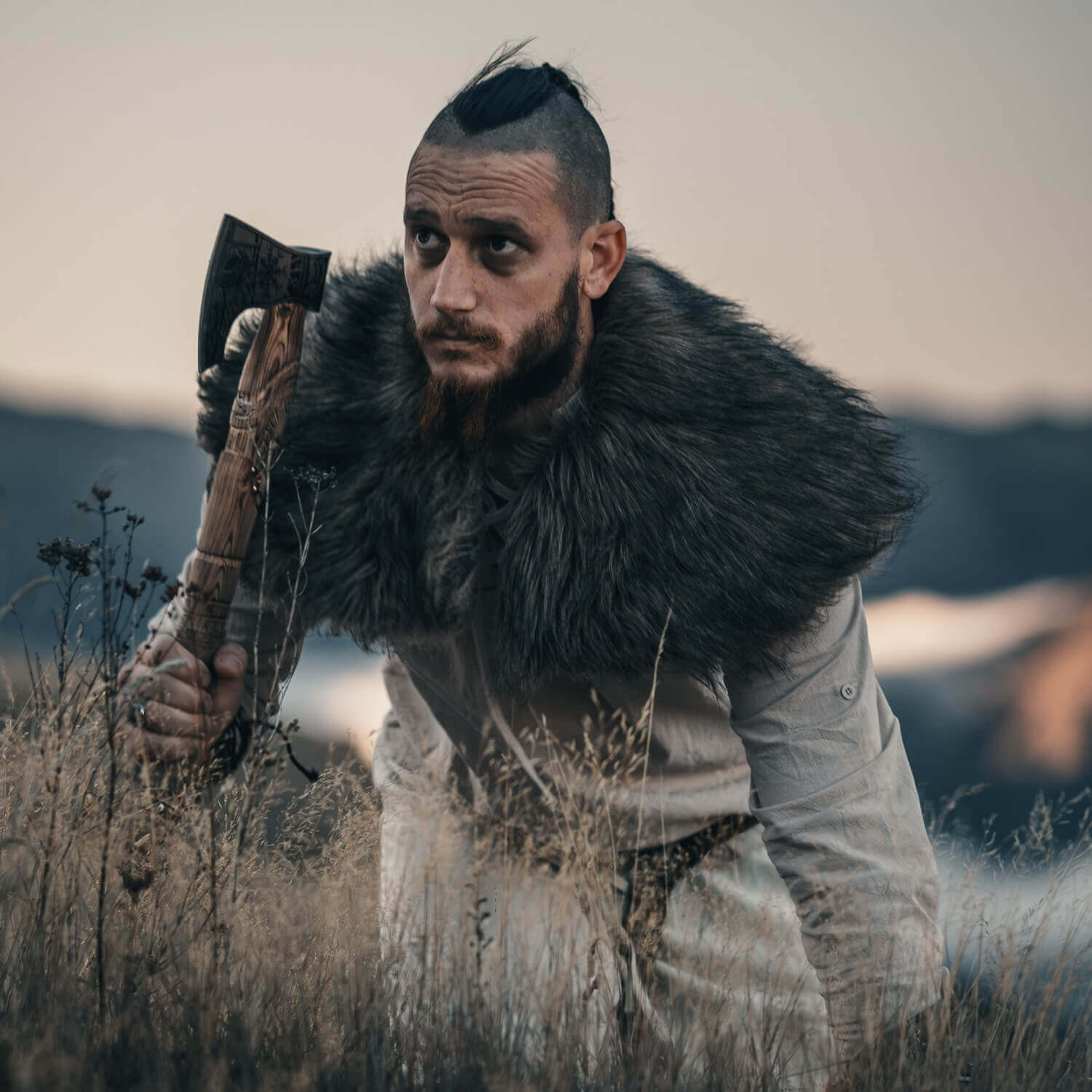
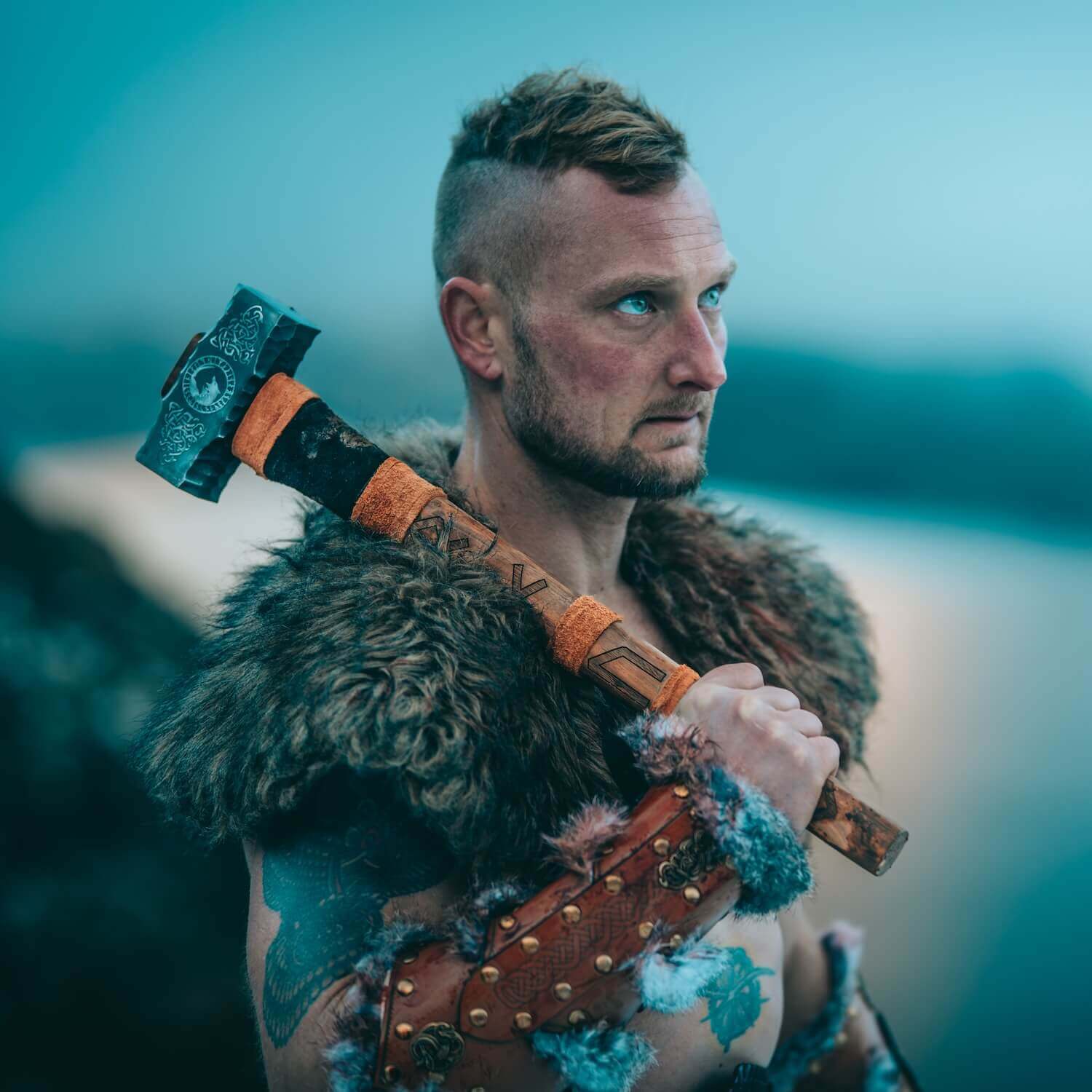
When we look at the incredible physical feats of the Vikings, we often focus on the battlefield. We imagine the explosive strength required to swing a bearded axe or the endurance needed to pull an oar for hours. However, the true backbone of Viking fitness was built on a much simpler, grueling task: walking long distances while carrying heavy loads. In the modern fitness world, this practice is known as rucking. For the Norse people, it was not a trendy workout; it was a daily condition of survival and a fundamental part of warfare.
The Heavy Burden of the Norse Warrior
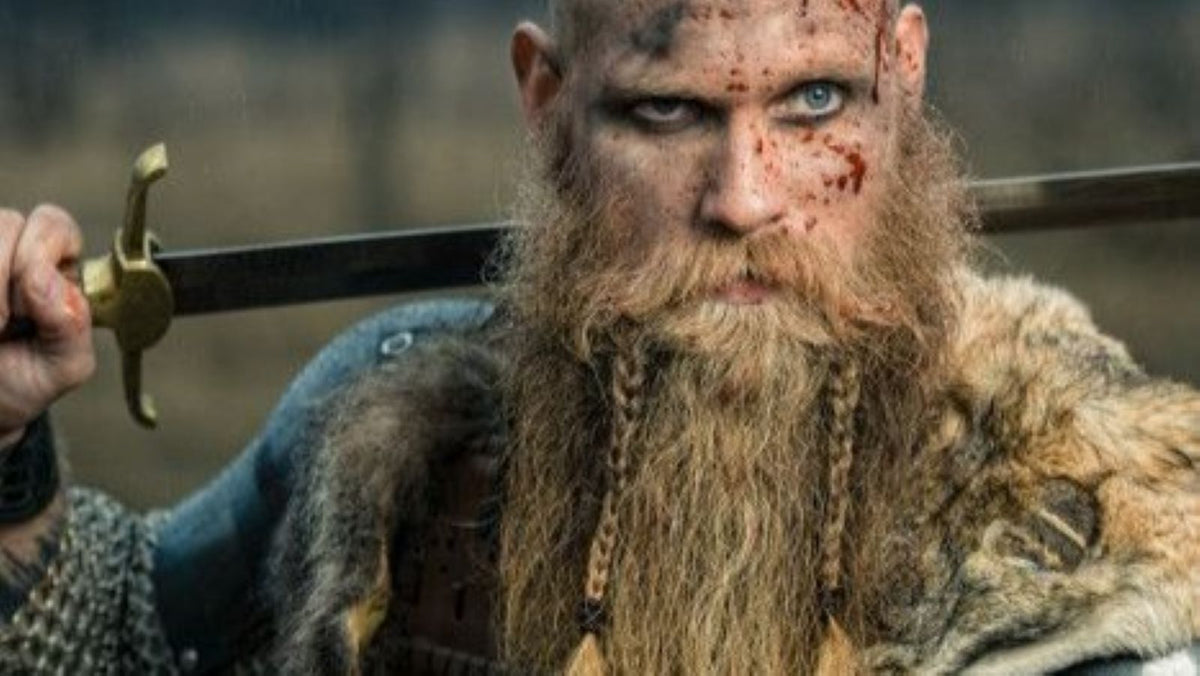
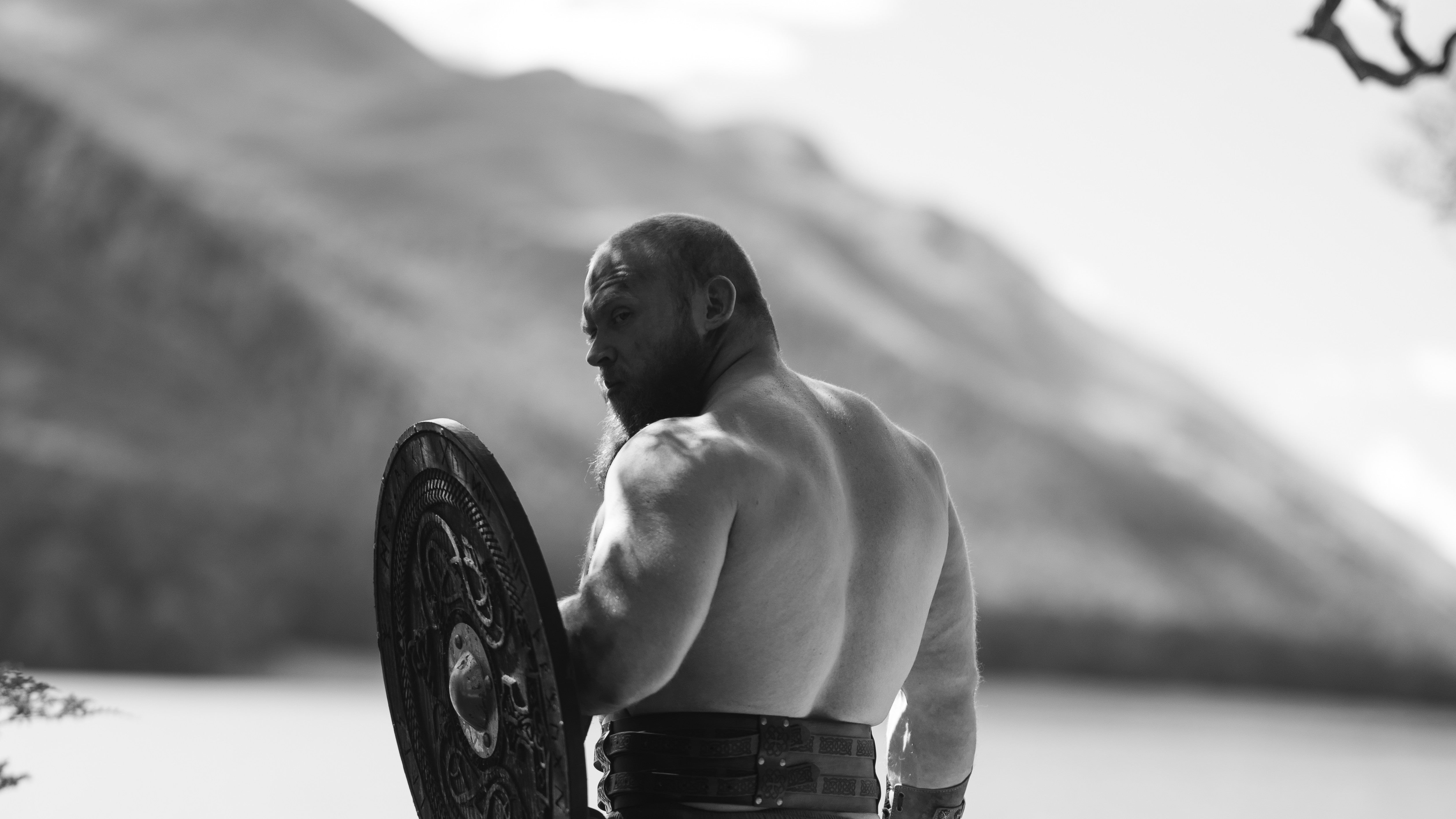
A Viking raider did not have the luxury of modern, lightweight travel gear. When a war band landed their longships on a foreign shore, their journey was usually just beginning. To strike inland, soldiers had to march for miles across unfamiliar, rugged terrain. Every man carried his own survival. A standard kit included a heavy iron-reinforced wooden shield, a spear, an axe or sword, chainmail armor, rations, and bedding. This gear could easily weigh forty to sixty pounds. Marching under this immense weight forged a specific type of physical resilience: bulletproof joints, massive core stability, and an unbreakable mindset.
The Functional Strength of the Homestead
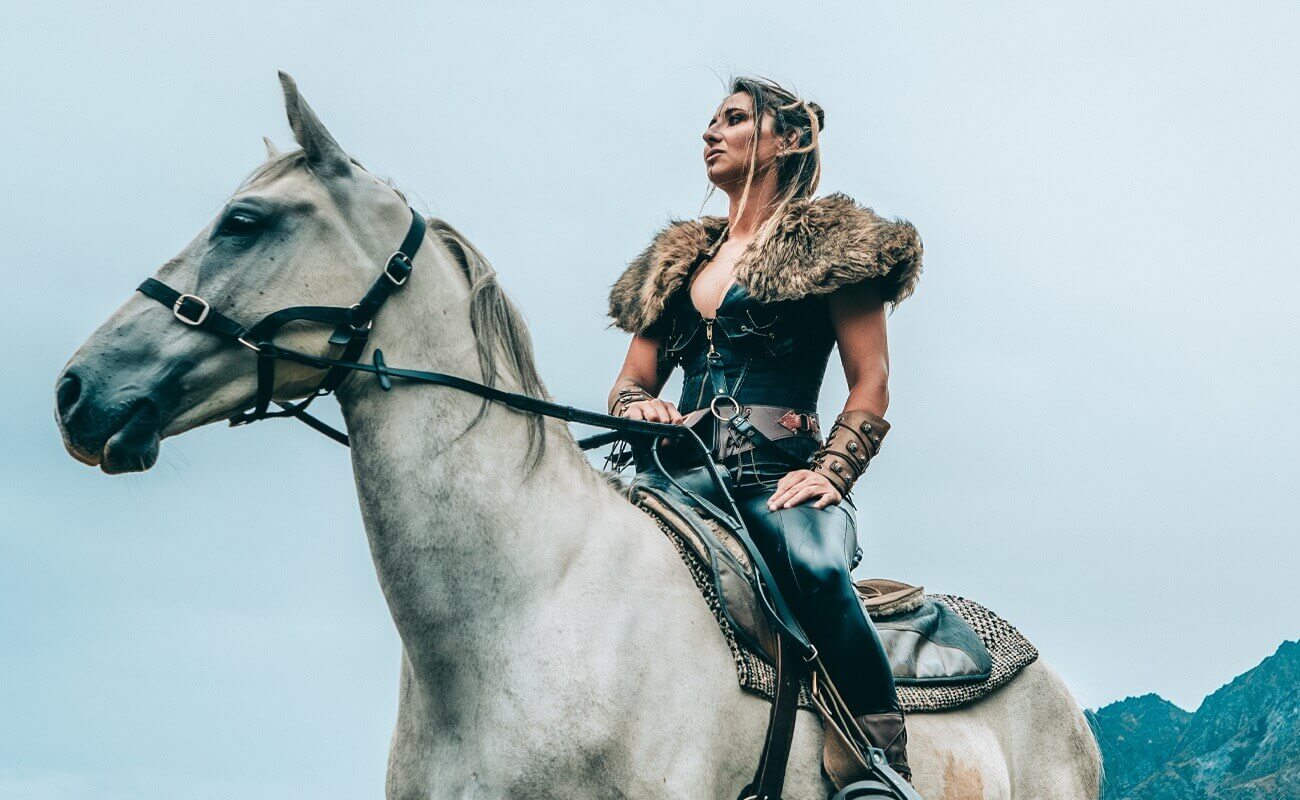
This loaded movement was not reserved exclusively for warriors. The daily life of a Norse freeman or free woman on the homestead was a perpetual rucking session. In the rocky landscapes of Scandinavia, resources had to be moved by hand. Foraging for firewood, carrying heavy timber for longhouse construction, hauling water from streams, and moving livestock feed required carrying awkward loads over uneven ground. This constant, low-intensity movement under load created a community of people with immense functional strength. Their bodies were conditioned to handle real-world stress, protecting their backs and hips from the injuries that plague sedentary modern lifestyles.
Cardiorespiratory Power Without Running
One of the greatest benefits of rucking is that it provides the cardiovascular benefits of running without the harsh impact on the knees and joints. The Vikings were heavily built people, and running long distances in iron gear was neither practical nor efficient. Walking with a weighted pack spikes the heart rate and burns a significant amount of calories, all while building muscle in the legs, glutes, and shoulders. It trains the body to consume oxygen efficiently over long periods, which directly translated to a warrior’s ability to stay fresh during a chaotic, exhausting shield wall battle.
How to Build a Modern Viking Rucking Routine
Emulating this ancient form of conditioning is incredibly simple and requires very little specialized equipment. To start training like a raider, all you need is a sturdy backpack and some weight. You can use specialized rucking weights, or simply wrap bricks, sandbags, or heavy books in a towel to keep them stable in your pack.
-
Start light, using a weight that is about ten percent of your total body weight.
-
Keep your posture upright, pulling your shoulders back and engaging your core to protect your lower back.
-
Walk at a brisk pace on trails, hills, or even your local neighborhood sidewalk.
The ultimate lesson of the Viking ruck is mental. Carrying weight over distance forces you to get comfortable with discomfort. It is a slow, steady grind that requires you to lock in your focus and keep moving forward, one step at a time. The Norse people believed that a person’s fate was met with courage and endurance, not complaints. By strapping on a heavy pack and hitting the trail, you are stepping out of the comfort of modern life and tapping into the rugged, self-reliant spirit that defined the entire Viking Age.