Real Viking Tattoos vs. Hollywood: 5 Designs You Should (and Shouldn’t) Get
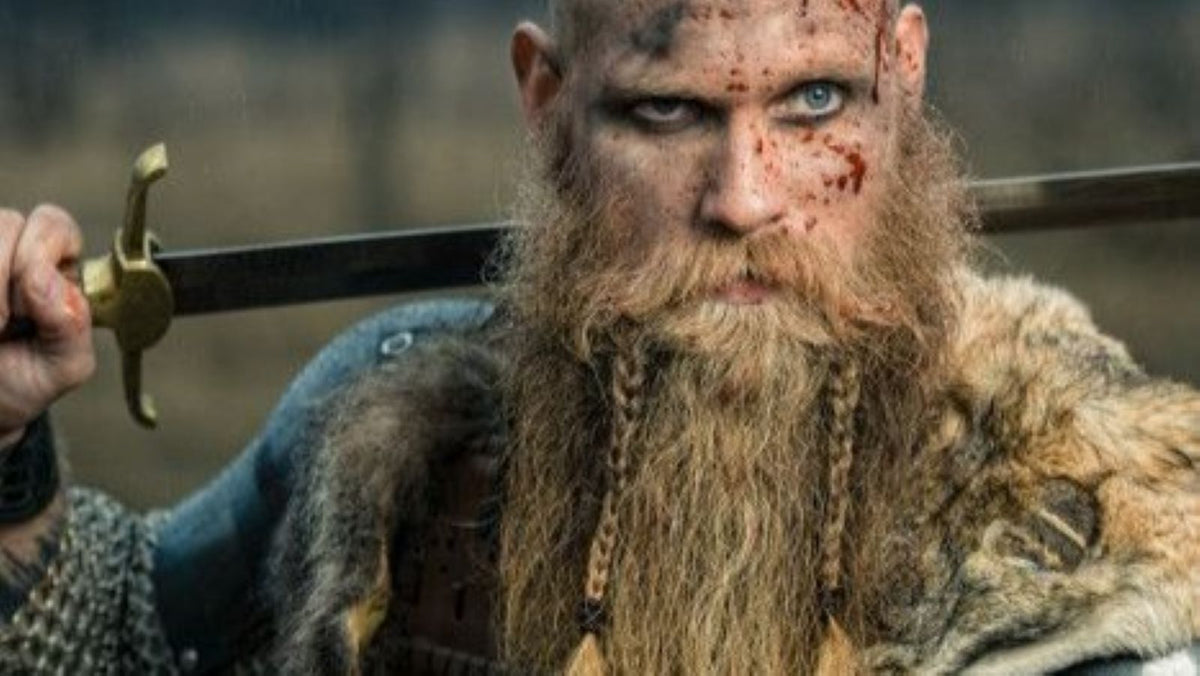
Tattooing is one of the most popular ways modern enthusiasts connect with Norse culture. From the ink worn by characters on the silver screen to the elaborate sleeves seen at Viking festivals, the aesthetic is undeniable. However, there is a massive gap between what Hollywood portrays as "Viking tattoos" and what is historically or culturally accurate. If you are looking to honor the ancestors with permanent ink, it is vital to know the difference between an ancient symbol and a modern invention.
The Mystery of Historical Viking Tattoos
One of the biggest surprises for many is that we have very little archaeological evidence of Viking tattoos. Skin does not survive a thousand years in the ground. Our primary source is the 10th-century Arab traveler Ahmad ibn Fadlan, who described the Rus Vikings as being covered from "fingernails to neck" in dark green patterns of trees and figures. While he didn't use the modern word for tattoo, his description suggests a deep-rooted tradition of skin marking. To be historically accurate, one should look at the art styles of the era, such as the Borre, Jelling, or Urnes styles, rather than modern graphic designs.
The Vegvisir: A Common Misconception
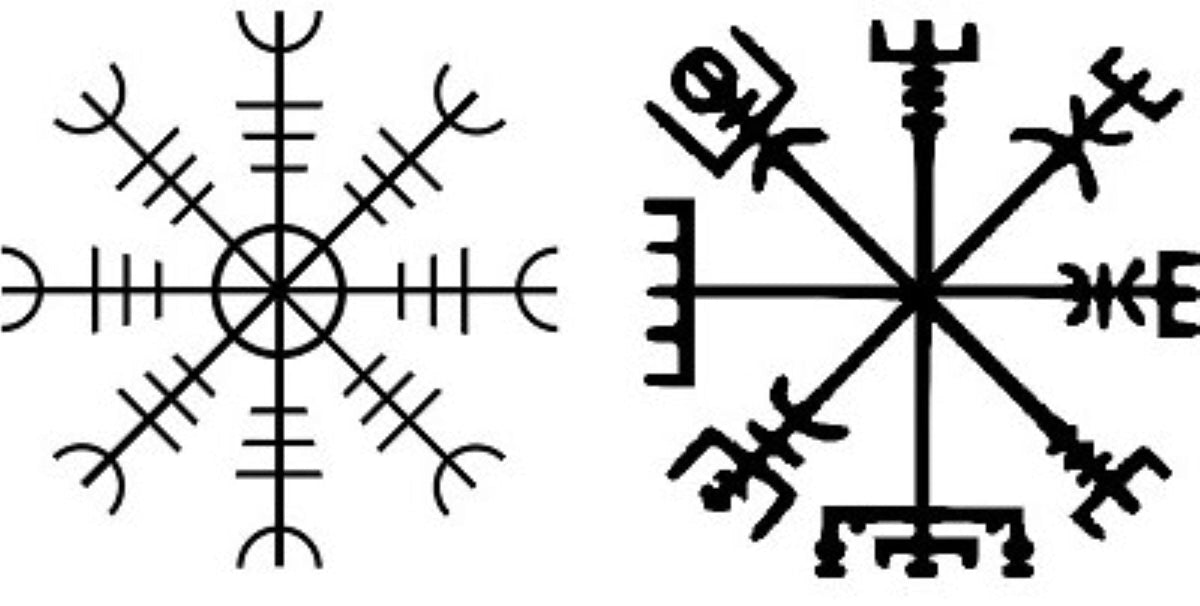
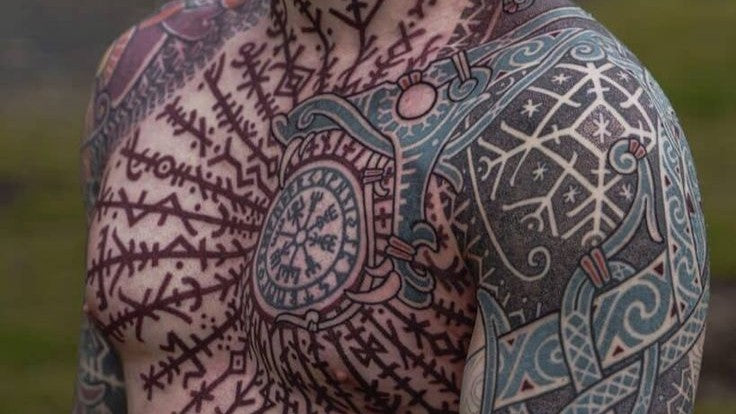
The Vegvisir, or the "Viking Compass," is perhaps the most tattooed symbol in the niche today. While it is a beautiful and powerful symbol of guidance, it is not actually from the Viking Age. The Vegvisir first appears in Icelandic grimoires from the 1800s, nearly eight centuries after the last Viking ship sailed. If your goal is 100% historical accuracy to the 9th century, this isn't the design for you. However, if you view the Norse tradition as a living, evolving path that includes Icelandic folk magic, the Vegvisir remains a meaningful choice for "never losing one's way."
The Valknut: The Knot of the Slain
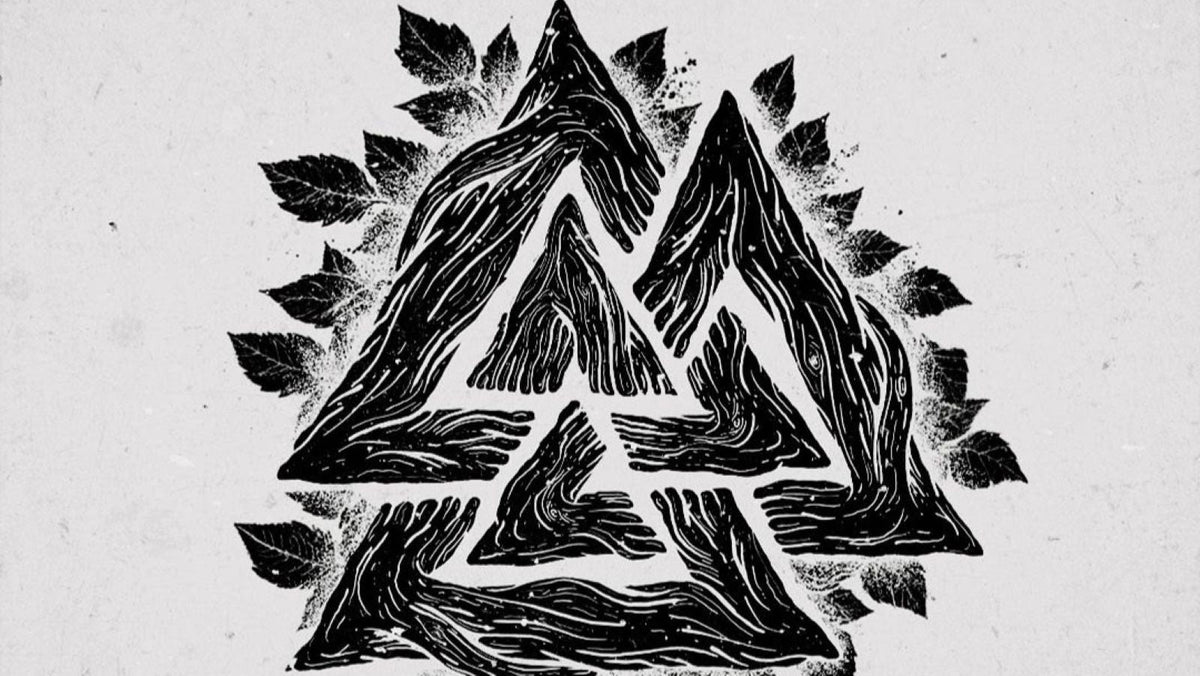
The Valknut is a design consisting of three interlocking triangles and is found on genuine Viking Age stones like the Stora Hammars stone. It is deeply associated with Odin and the transition between life and death. Because it is often found in funerary contexts, many modern heathens believe it signifies a soul dedicated to Odin. This is a "Should Get" for those who understand the weight of the symbol; it is a mark of the warrior and the thinker, but it carries a heavy spiritual association with the Allfather’s power over the mind and fate.
Runes: Handle With Care
Tattooing runes is a classic choice, but it requires the most research. Hollywood often uses "gibberish" runes that look cool but mean nothing. Furthermore, there are different runic alphabets. The Elder Futhark was used by older Germanic tribes, while the Younger Futhark was the actual alphabet of the Viking Age. If you are tattooing a specific name or a quote from the Havamal, ensure you are using the correct runic equivalent for the sound of the words. A single misplaced line can change "Warrior" into something entirely unintended.
Authentic Animal Motifs
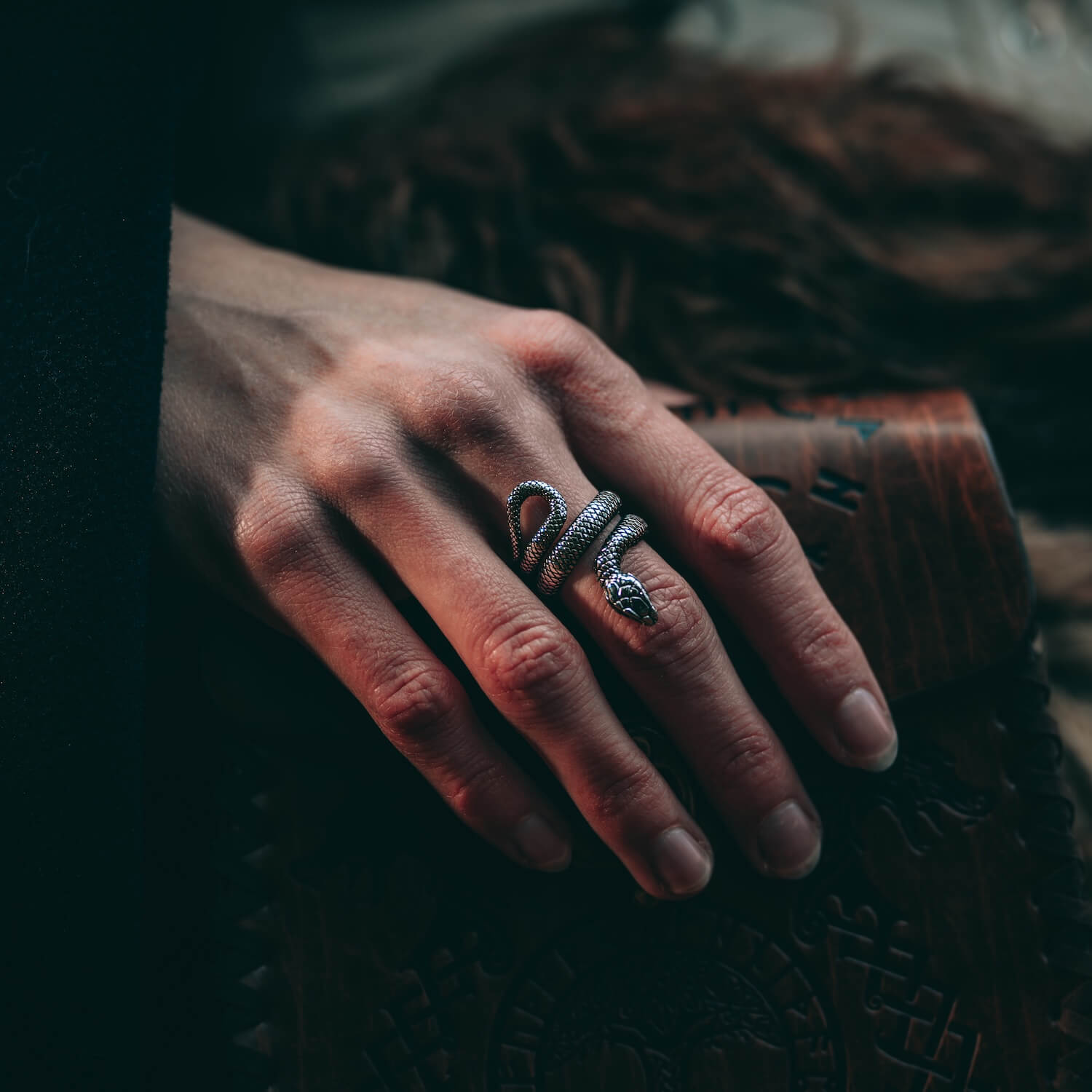
If you want a tattoo that screams "Viking" without the historical baggage of later symbols, look to the animals. The Raven, the Wolf, and the Serpent are the trio of the North. Ravens (Huginn and Muninn) represent the mind and memory. The Wolf (Fenrir or Geri and Freki) represents primal power and loyalty to the pack. The Midgard Serpent (Jormungandr) represents the boundary of the world. These designs, when drawn in the knotwork styles found on genuine Viking runestones, provide the most authentic connection to the visual world the Vikings actually inhabited.