Norse Mythology for Kids: How to Introduce Your Little Vikings to the Gods
Sharing the stories of the North with the next generation is a tradition as old as the sagas themselves. For the Vikings, these myths were not just bedtime stories; they were lessons in bravery, curiosity, and the importance of family. Introducing your children to the Nine Worlds does not have to be daunting. By focusing on the larger-than-life characters and the magical creatures of the realms, you can spark a lifelong love for heritage and storytelling in your own little warriors.
Start with the Heroes They Can Relate To
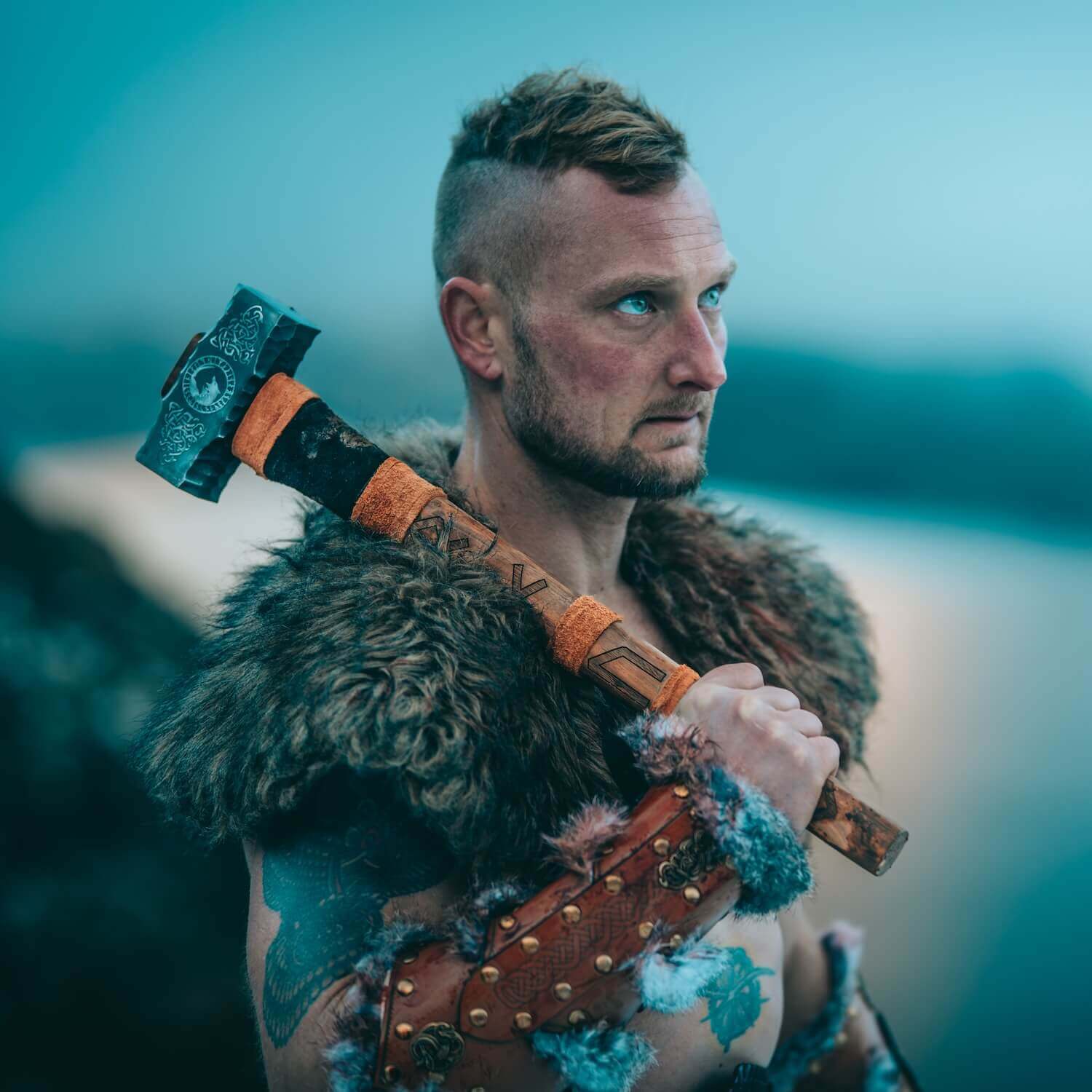
The best way to engage a child’s imagination is through characters with clear, vibrant personalities. Thor is an excellent starting point because he is the ultimate protector. He is strong, he has a magic hammer, and he fights giants to keep Midgard safe. Children often connect with his bravery and his occasional grumpiness. On the other hand, Loki is the perfect character for teaching about cleverness and the consequences of being too mischievous. By framing their adventures as a balance between strength and wit, you give children relatable archetypes to follow.
The Magic of the Nine Worlds and Yggdrasil
Instead of trying to explain complex Viking theology, describe the universe as a giant, magical tree called Yggdrasil. Children love the idea of a World Tree that connects different realms. You can tell them about Midgard, where we live, and Asgard, the shining home of the gods. Mention the colorful Bifrost bridge that acts as a rainbow highway between worlds. This visual approach makes the mythology feel like a grand map of an enchanted forest, which is much easier for a young mind to navigate than abstract concepts.
Lessons in Courage and Honesty
Norse stories are famous for being gritty, but they contain powerful moral lessons for kids. The story of Tyr and the Fenris Wolf is a classic example of sacrifice and keeping one’s word, even when it is hard. The tales of Odin’s endless search for wisdom can teach children the value of learning and asking questions. When telling these stories, emphasize the noble virtues like industriousness and perseverance. The goal is not just to entertain, but to show that being a Viking means being a person of character and honor.
Interactive Mythology: Beyond the Books
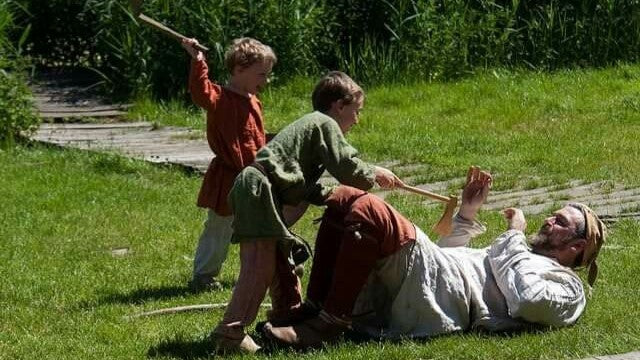
To make these stories stick, try bringing them into the real world. You can have shieldmaking afternoons with cardboard and paint, or rune hunts where you hide stones with simple symbols around the yard for them to find. Reading the stories aloud while sitting around a campfire or even just a candle can mimic the atmosphere of an ancient Viking longhouse. When children see their parents valuing these traditions, they begin to see themselves as part of a long, unbroken chain of history.
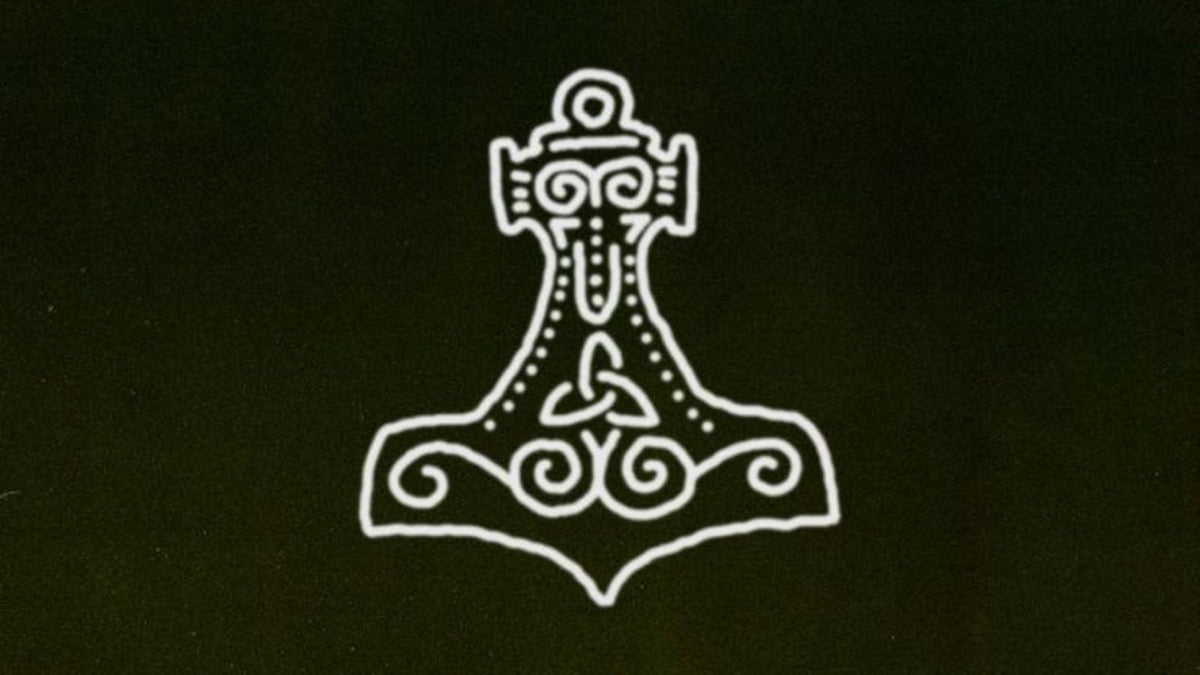
Introducing your kids to Norse mythology is about more than just gods and monsters; it is about giving them a sense of roots. Whether it is through a small Mjolnir pendant for a birthday or a bedtime story about Sleipnir the eight-legged horse, these small touches build a family culture. You are teaching them that they come from a line of explorers, poets, and warriors. In a fast-moving modern world, the steady, ancient wisdom of the North can provide a child with a strong foundation of identity and pride.