

Viking Survivalism: Ancient Bushcraft Skills for Modern Preppers
For the Vikings, survival was not a hobby or a contingency plan. It was daily reality. Long before the concept of “prepping” existed, Norse societies were built around resilience, adaptability, and self-reliance. Harsh winters, unpredictable seas, and remote settlements demanded skills that ensured survival not just for individuals, but for entire communities. These ancient practices remain strikingly relevant in the modern world.
Shelter Built from the Land
Viking survival began with understanding the landscape. Turf, timber, stone, and earth were used to build shelters that retained heat and withstood brutal weather. Longhouses were designed to protect against wind and cold, while temporary wilderness shelters relied on natural insulation and terrain awareness. Knowing where to build mattered as much as how to build. High ground, tree cover, and proximity to water could mean the difference between life and death.
Fire as the Heart of Survival
Fire was sacred as well as practical. It provided warmth, protection, cooked food, and preserved life through the winter. Vikings mastered multiple fire-starting techniques using flint, steel, and natural tinder such as birch bark and dried fungi. Fire was never taken for granted, and maintaining it was a shared responsibility. For modern survivalists, this mindset reinforces the importance of redundancy and skill over convenience.
Food Gathering, Hunting, and Preservation
Viking survival relied on a deep knowledge of seasonal food sources. Fishing, hunting, foraging, and small-scale farming worked together to sustain life. Preservation was essential. Drying, smoking, fermenting, and salting allowed food to last through long winters when fresh resources were scarce. Nothing was wasted. Bones became tools, hides became clothing, and excess was stored, not consumed thoughtlessly.
Tools That Served Many Purposes
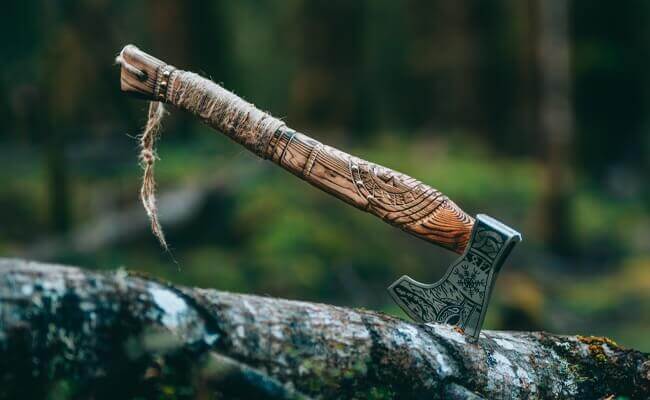
Efficiency defined Viking tools. A single knife could cut food, carve wood, repair gear, and serve as a last line of defense. Axes were not just weapons, but essential tools for shelter building, firewood, and travel. Carrying fewer items meant knowing how to use each one well. This philosophy mirrors modern bushcraft principles, where versatility outweighs excess equipment.
Clothing Designed for Endurance
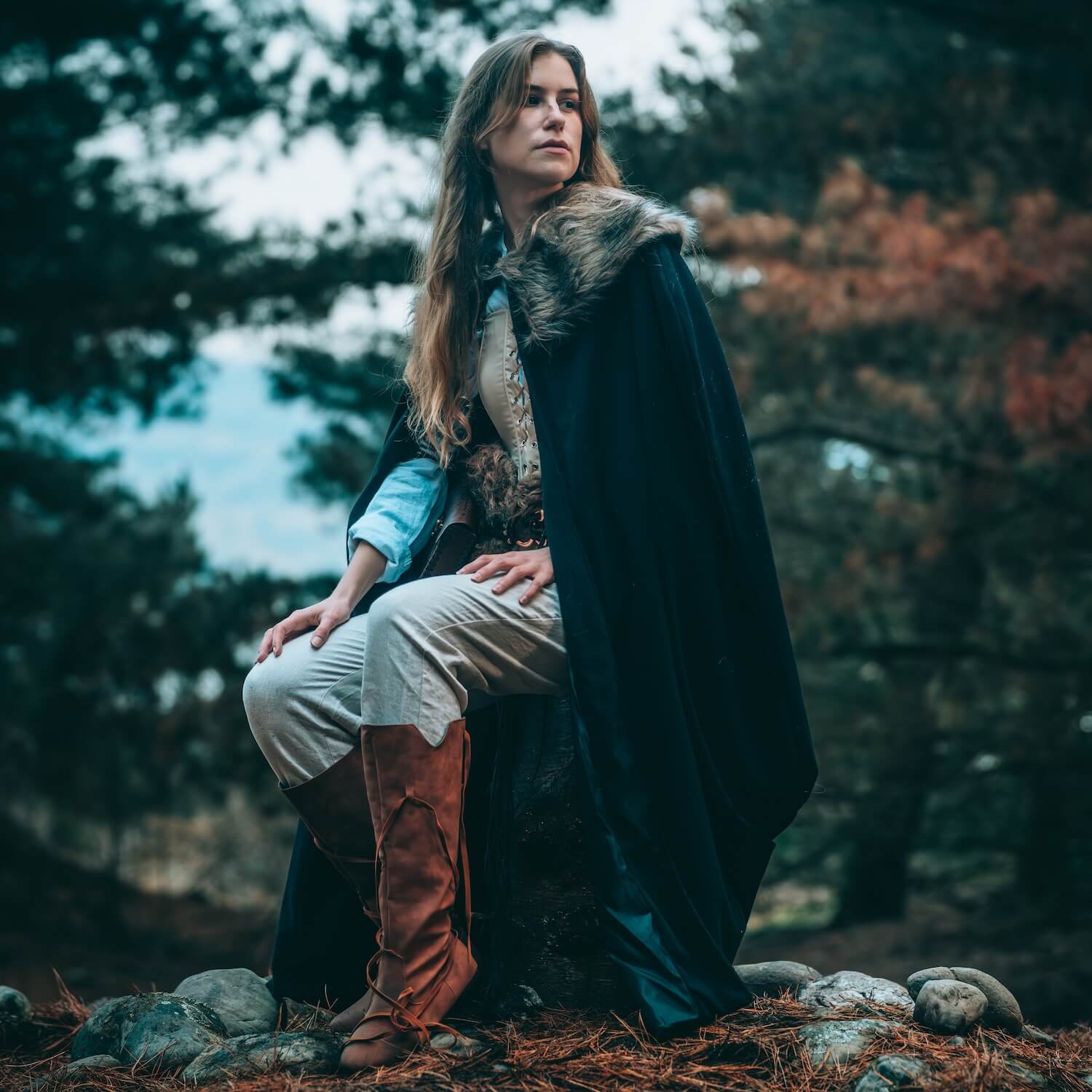
Viking clothing was engineered for survival. Wool, linen, and animal hides were layered to regulate temperature and resist moisture. Cloaks doubled as blankets, belts carried tools, and footwear was adapted for rough terrain. Every garment had a purpose beyond appearance. Staying dry, warm, and mobile was essential, especially in unpredictable climates.
Navigation Without Maps
Before compasses and GPS, Vikings navigated using sun, stars, landmarks, winds, and sea patterns. On land and water, awareness replaced reliance on tools. This skill demanded patience, observation, and experience. Modern survivalists often rediscover that technology can fail, but environmental knowledge endures.
Community as a Survival Strategy
Survival was never meant to be solitary. Vikings depended on kinship, shared labor, and mutual defense. Skills were passed down, food was shared, and responsibilities were divided. A lone individual could survive briefly, but a community could endure generations. This lesson remains vital today, where cooperation often outweighs individual stockpiling.
Mental Resilience and Acceptance
Perhaps the most important survival skill was mental strength. Vikings accepted hardship as part of existence. Fear was acknowledged but never allowed to rule decisions. Adaptability, courage, and discipline shaped how they faced uncertainty. Survival was not about avoiding danger, but meeting it prepared and unbroken.
Why Viking Survivalism Still Matters
Ancient Norse bushcraft was born from necessity, not theory. Its principles endure because they work. Understanding your environment, mastering basic skills, valuing tools, preparing for scarcity, and relying on community are timeless foundations of survival. In a modern world increasingly dependent on fragile systems, Viking survivalism reminds us that resilience is built through knowledge, not convenience.
Viking survival was rooted in respect for nature and acceptance of reality. These skills were not romantic legends, but hard-earned knowledge shaped by experience. For modern preppers and bushcrafters, looking to the Viking Age is not about nostalgia, but about reclaiming practical wisdom forged in one of history’s most unforgiving environments.