The Rider’s Shadow: Sleipnir and the Shamanic Journey of Odin
In the flickering light of a Viking Age longhouse, the poets (skalds) spoke of a creature that defied the laws of nature. He was not born of the earth, but of magic and trickery. He did not run; he glided between the realms of the living and the dead. This was Sleipnir, the eight-legged stallion, the swiftest of all beings, and the ultimate mount of the Allfather, Odin.
The Strange Birth of the Eight-Legged Steed
The story of Sleipnir begins with a wager and a wall. When an unnamed giant offered to build an impregnable wall around Asgard to protect the gods from the Jotun, he demanded a steep price: the goddess Freya, the sun, and the moon. The gods agreed, believing the task impossible within the single winter deadline; until they saw the giant’s stallion, Svadilfari, doing the work of ten horses.
As the deadline loomed, the gods grew desperate and turned to Loki, the trickster. To sabotage the work, Loki transformed himself into a beautiful mare to distract Svadilfari. The plan worked, the wall remained unfinished, and the giant was defeated. However, months later, Loki returned to Asgard followed by a grey, eight-legged colt. This was Sleipnir, a child of the gods’ own desperation and Loki’s cunning.
A Steed for Two Worlds: The Shamanic Connection
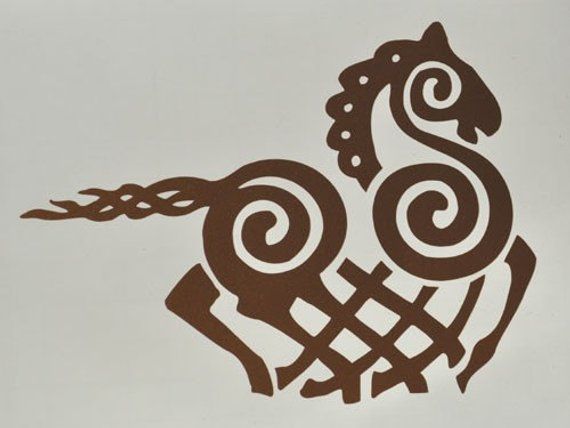
To the Norse, Sleipnir was far more than a fast horse. His eight legs are believed by historians to represent the poles of a funeral litter, or perhaps the speed of the wind itself. He was the only creature capable of carrying a rider into the depths of Helheim and back again.
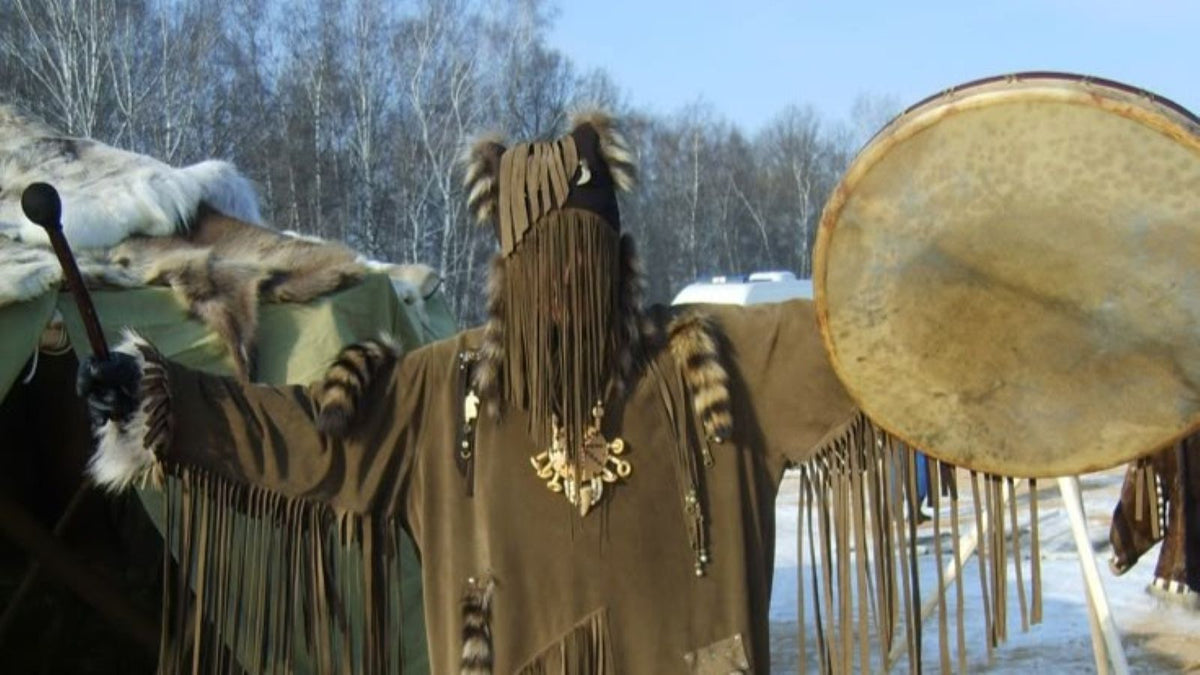
When the beloved god Baldur was slain, it was Sleipnir who carried the messenger Hermod across the gates of the underworld. This solidified Sleipnir’s role as a psychopomp, a guide for souls. For Odin, the Great Shaman, Sleipnir was the vehicle for his "ecstatic journeys," allowing the Allfather to traverse the Nine Realms in search of hidden wisdom and the secrets of the runes.
The Iconography of the Stones
We know how much the Vikings revered Sleipnir because they carved his image into stone. On the Tjängvide image stone in Gotland, Sweden, we see a massive eight-legged horse carrying a rider; widely believed to be Odin, being greeted by a woman with a drinking horn. These carvings weren't just art; they were markers of a belief system where the transition between life and death was bridged by a powerful, tireless spirit. To own a depiction of Sleipnir was to honor the journey of the soul.
Bringing the Legend into the Modern Day
While we no longer ride across the gates of Helheim, the legend of Sleipnir remains a potent symbol for the modern seeker. In a world that often feels narrow or limited, the eight-legged horse represents transcendence, the ability to move through obstacles that stop others in their tracks.
Whether you are navigating a difficult career change, seeking deeper spiritual insight, or simply embarking on a new journey, Sleipnir serves as a reminder of the "extraordinary." By carrying his symbol, you align yourself with the spirit of the Allfather: a relentless pursuit of wisdom and the strength to cross any border, no matter how daunting.