
Viking Myth Buster: The Truth About “Blood Eagles” and Berserker Rage
The Viking Age has long been painted with the darkest possible brush. Popular culture favors shock over nuance, turning Norse warriors into symbols of endless cruelty and uncontrolled fury. Two ideas dominate this image more than any others: the infamous Blood Eagle execution and the wild, unstoppable berserker rage. Both are rooted in real sources, yet both have been reshaped by fear, misunderstanding, and exaggeration.
To uncover the truth, we must step away from legend-driven imagery and return to what the sources actually tell us.
The Blood Eagle: Ritual, Symbol, or Storytelling
The Blood Eagle is often described as one of the most brutal executions imaginable, involving the opening of the back, the removal of ribs, and the display of lungs like wings. This image has become synonymous with Viking cruelty, but historical evidence paints a far less certain picture.
The Blood Eagle appears only in a small number of late-written sources, recorded centuries after the Viking Age itself. These texts were written by Christian authors who often portrayed pagan practices in the most horrific way possible. The language used in these accounts is poetic and symbolic, not clinical or eyewitness-based.
Many scholars now believe the Blood Eagle may have been:
- a metaphorical description of vengeance
- a ritualized execution exaggerated over time
- or a literary invention meant to shock and moralize
There is no archaeological evidence confirming that such a procedure was commonly practiced. What survives is the idea of extreme punishment for extreme betrayal, not proof of a widespread ritual.
Why the Blood Eagle Endured in Legend
The power of the Blood Eagle myth lies in symbolism. It represents total dominance, divine retribution, and irreversible judgment. In a society where honor and reputation outlived the body, symbolic violence carried more weight than routine killing.
The myth endured because it served a purpose. It warned enemies, reinforced social boundaries, and later helped Christian chroniclers define pagan societies as monstrous and in need of replacement.
Berserkers: More Than Mindless Violence
Berserkers are often portrayed as frothing, uncontrollable killers driven mad by rage. While berserkers were real, this version strips them of context and intention.
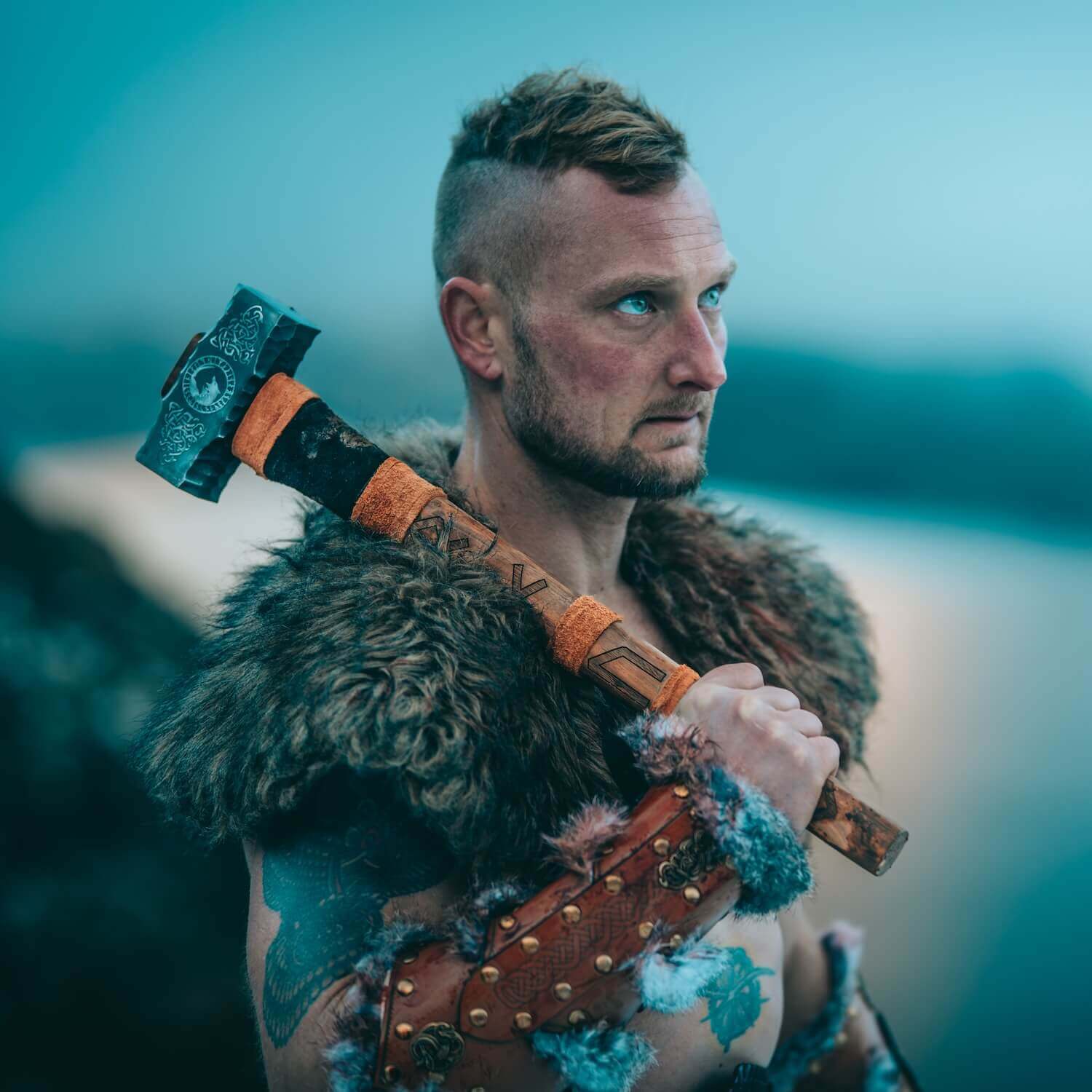
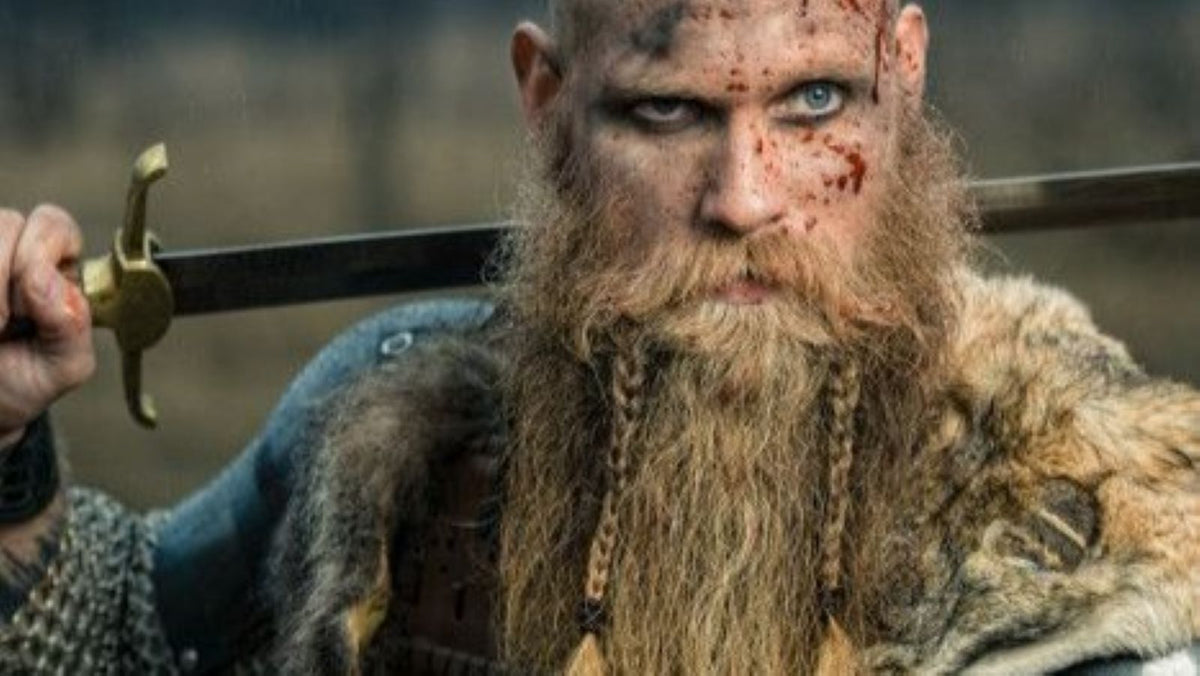
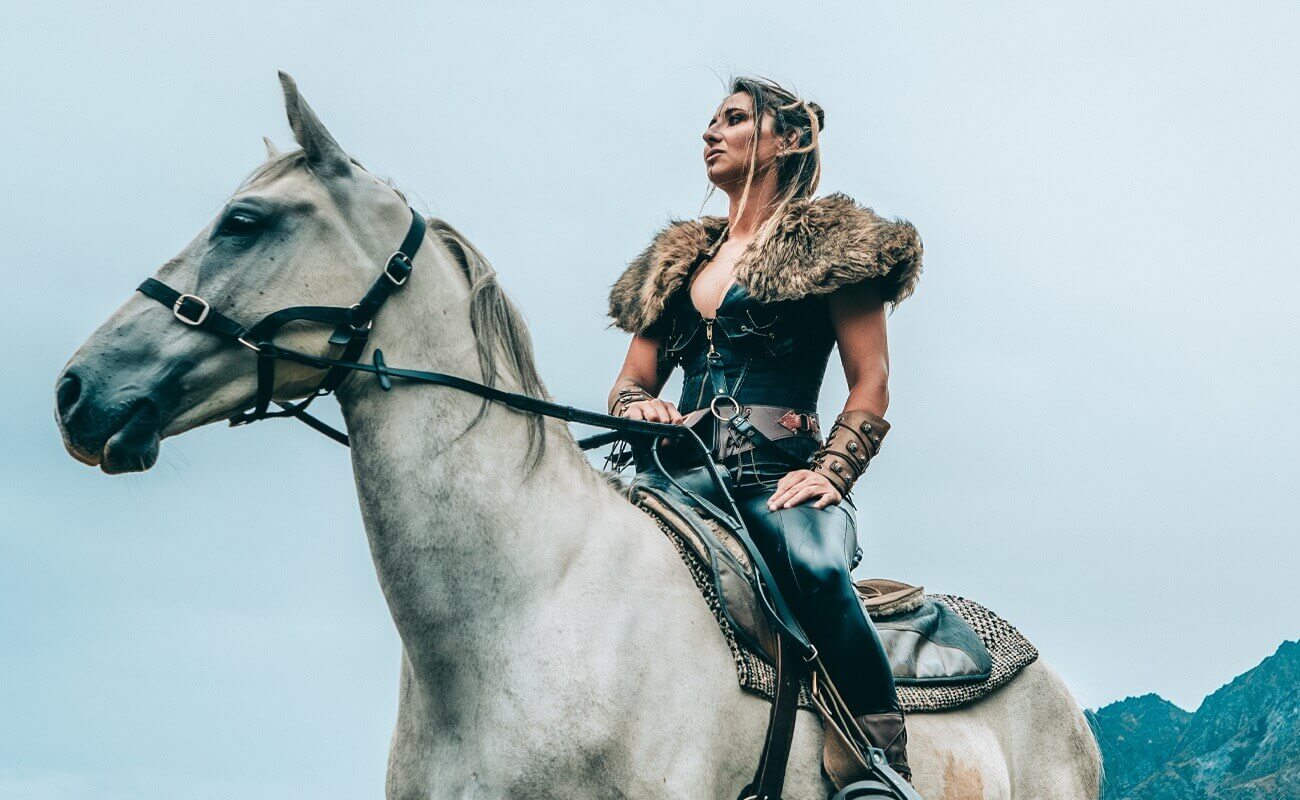
The word berserkr likely refers to warriors who wore bear skins or fought in a bear-like state. These fighters were elite shock troops, used deliberately at critical moments. Their rage was not random. It was cultivated, ritualized, and controlled within specific boundaries.
Berserkers trained their minds and bodies to enter altered states of focus. This state heightened pain tolerance, aggression, and endurance, but it was not constant or chaotic.
Rage as a Weapon, Not a Curse
Berserker rage functioned as a tactical advantage. By appearing fearless and unstoppable, berserkers broke enemy morale before blades even met. Their reputation alone could decide battles.
This state was likely achieved through:
- intense ritual preparation
- rhythmic chanting or movement
- psychological conditioning
There is little credible evidence supporting claims of drug-induced madness. Such ideas come from later speculation, not contemporary accounts.
How Society Viewed Berserkers
Contrary to popular belief, berserkers were not universally admired. In times of peace, their volatility made them dangerous. Laws from later periods restricted their behavior, suggesting that their warrior role did not translate well into civilian life.
They were respected when needed and restrained when not. This balance reinforces the idea that berserker rage was a situational role, not a permanent loss of control.
Separating Fear From Fact
Both the Blood Eagle and berserker rage were amplified by outsiders who feared Viking power and beliefs. Over time, these fears hardened into myths that overshadowed reality.
The Viking world was brutal, but it was also structured, symbolic, and governed by rules of honor and consequence. Violence had meaning. Rage had purpose. Punishment carried social weight beyond physical suffering.
The persistence of these stories tells us less about Vikings and more about how history remembers its enemies. Extreme myths survive because they are simple, dramatic, and easy to repeat.
The truth is more complex and far more interesting.
The Vikings were not monsters driven by madness and cruelty. They were people navigating a harsh world with belief systems that valued strength, reputation, and fate. Understanding that complexity brings us closer to the real Viking Age, stripped of exaggeration but no less powerful.