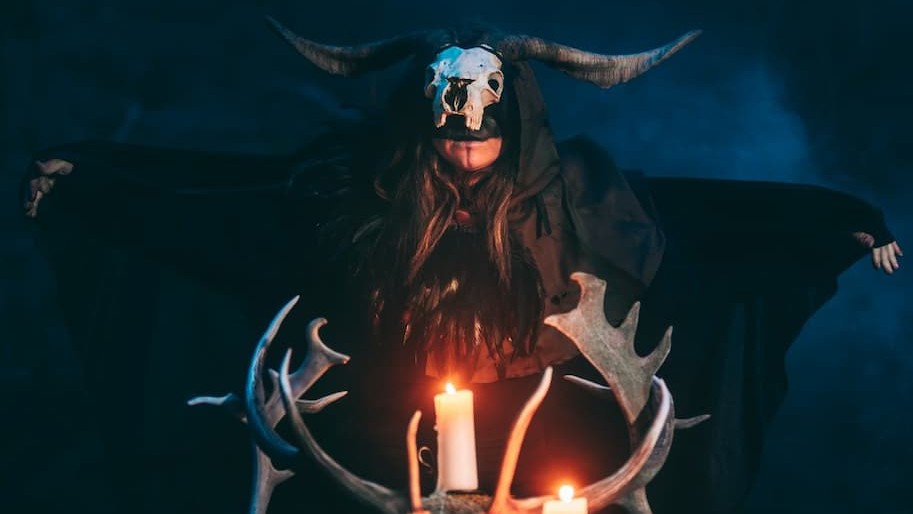
In the Viking Age, power did not always come from the sword. Some of the most feared and respected figures carried no weapon at all. They carried knowledge. These women were known as Völur, seeresses, shamans, and wielders of ancient magic. When a Völva entered a settlement, even chieftains listened. Even warriors lowered their voices.
She was a bridge between worlds, a speaker for unseen forces, and a keeper of truths few dared to confront.
Who Was the Völva
The word Völva comes from Old Norse and is linked to the staff or wand she carried, a symbol of her authority and craft. Unlike healers or folk practitioners, the Völva stood apart from everyday life. She often travelled alone or with a small retinue, moving from hall to hall, summoned in times of uncertainty.
She was not bound to one village or one ruler. Her loyalty was to the unseen currents of fate.
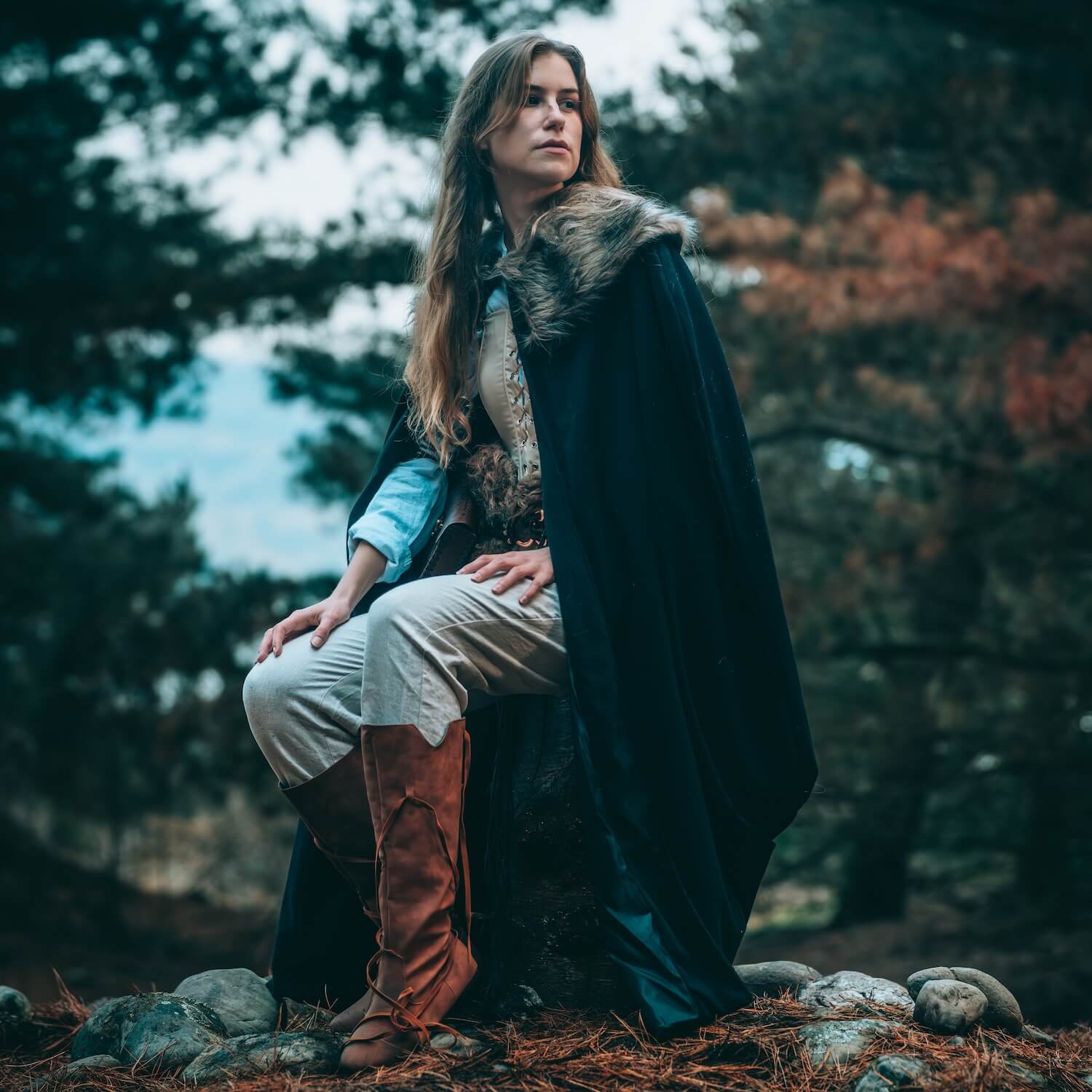
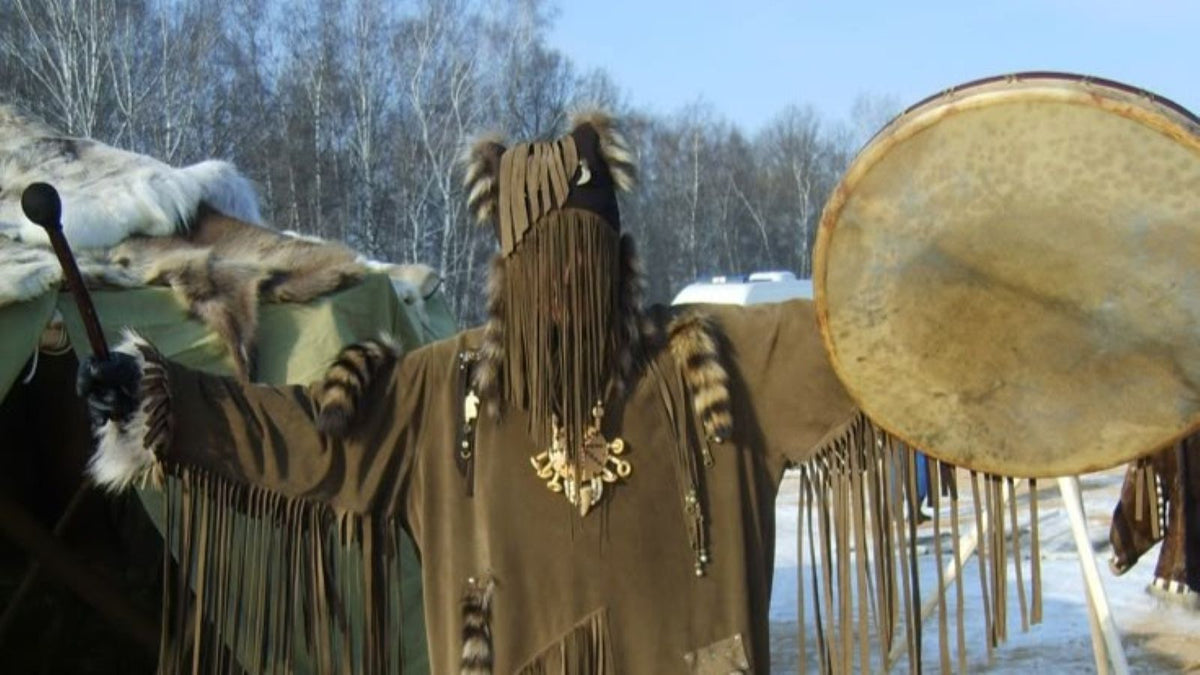
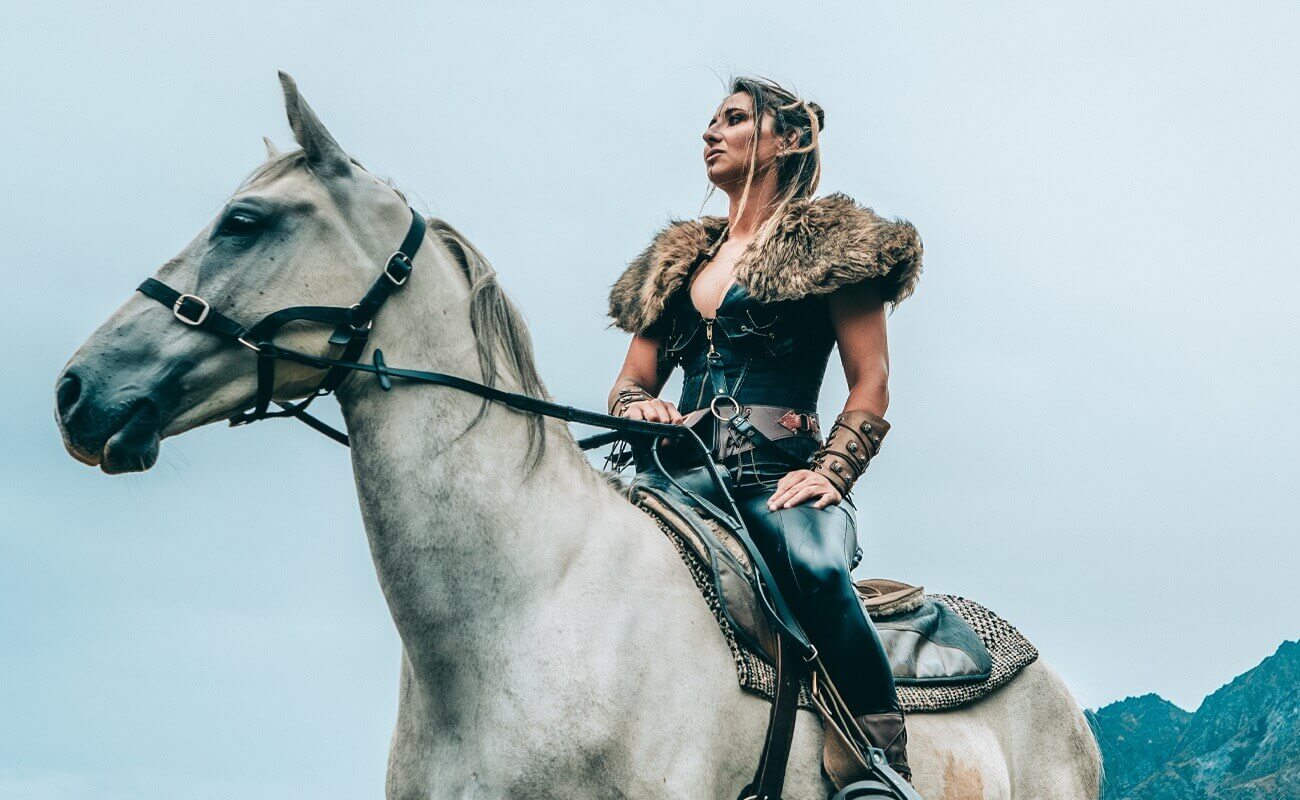
Descriptions from Norse sources portray her dressed in striking garments, wearing cloaks lined with fur, adorned with beads, metalwork, and symbolic items. Her appearance alone marked her as someone who walked beyond ordinary boundaries.
Seiðr: The Magic of Fate
The primary form of magic practiced by the Völva was Seiðr. This was not simple spell-casting. Seiðr was a deep, trance-based practice that allowed the Völva to perceive, influence, and sometimes alter the threads of fate.
Through chants, ritual movements, and altered states of consciousness, she could:
- foresee future events
- uncover hidden causes of misfortune
- guide decisions before war or travel
- influence luck, fertility, and outcomes
Seiðr was considered powerful but dangerous. It required sacrifice, focus, and a willingness to step into uncertainty. Those who practiced it too deeply risked losing their place among ordinary people.
Völur lived on the edge of society. They were welcomed, but rarely embraced. Respected, but often feared. Their knowledge came at a cost, and their presence reminded people that fate was never fully under human control.
Yet when famine loomed, when enemies gathered, or when destiny felt unclear, it was the Völva who was called.
Refusing her counsel was considered reckless.
The Gods and the Völva
Even the gods themselves were tied to the art of Seiðr. Odin, the Allfather, learned this magic despite its stigma. He sought wisdom wherever it could be found, even when it challenged the expectations of gods and men.
This connection elevated the Völva’s role. If Odin himself sought such knowledge, then the power she wielded was undeniable. The Völva was not merely a practitioner of magic. She was a guardian of cosmic understanding.
When a Völva performed her rites, the setting mattered. Raised platforms, ceremonial staffs, chants, and group participation were all part of the ritual. Women often formed a circle around her, singing sacred songs that helped guide her trance.
These rituals were communal acts. They tied the fate of the people to the visions of the seeress, reinforcing bonds between belief, survival, and identity.
Archaeological Traces of the Völva
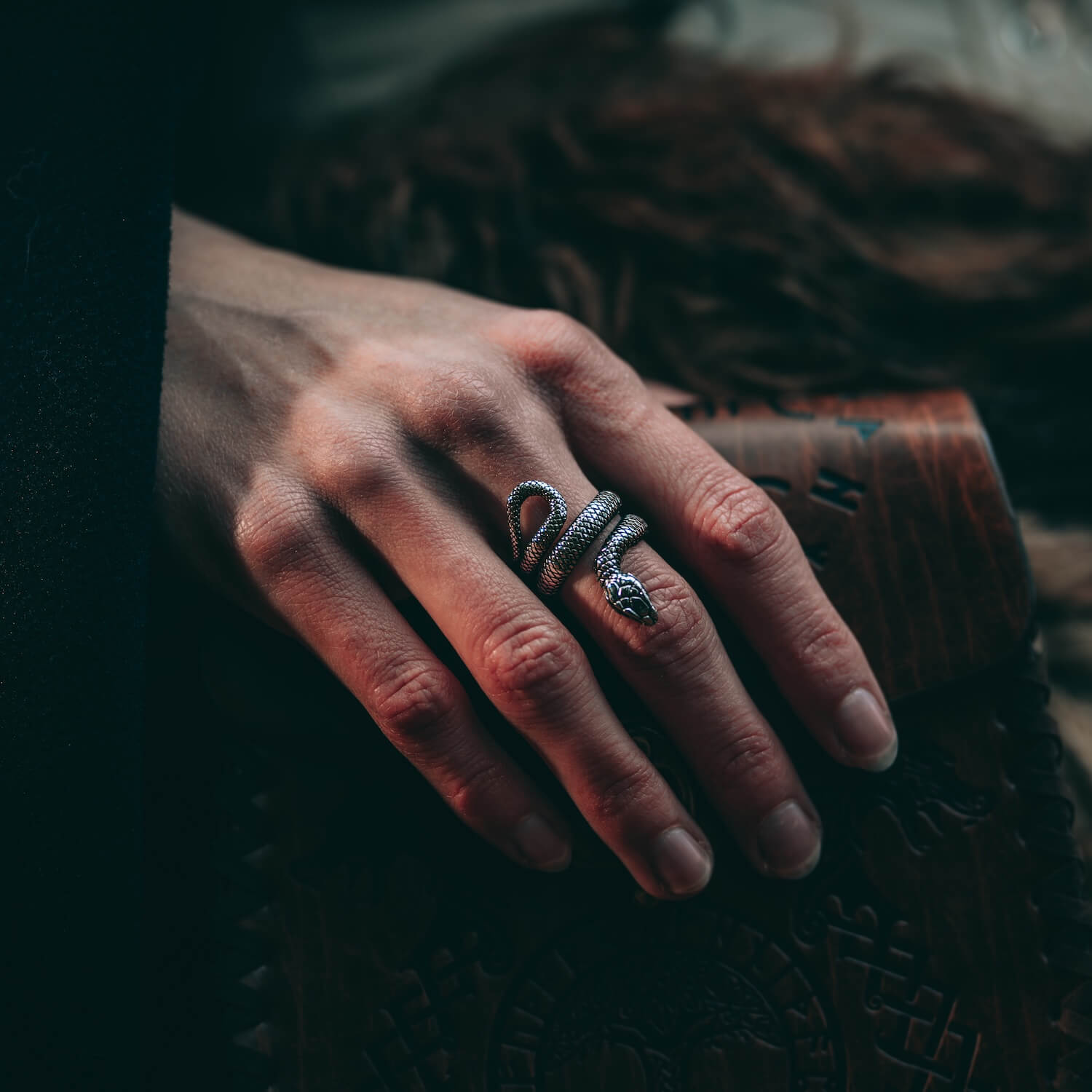
Graves believed to belong to Völur have been discovered across Scandinavia. These burials are rich with symbolic items: staffs, unusual jewelry, ritual tools, and imported goods. Their placement suggests honor, but also separation.
Even in death, the Völva remained distinct.
These finds confirm that the Völva was not a mythic exaggeration. She was real, influential, and deeply embedded in Viking society.
A Power Beyond the Sword
In a culture often defined by battle, the Völva represents a different kind of strength. She commanded no armies, yet shaped decisions that sent warriors into the world. She fought no enemies directly, yet influenced victories and disasters alike.
Her power was subtle, unsettling, and enduring.
The image of the Völva still echoes through Norse tradition. She appears in poetry, legend, and prophecy as a reminder that knowledge is never neutral and power takes many forms.
She stands as proof that the Viking world was not ruled by brute force alone, but by an understanding that fate, magic, and unseen forces shape every path.
To understand the Völva is to understand the deeper soul of the Viking Age—where courage met mystery, and strength bowed to wisdom.