Fate and the Norns: Why Vikings Weren't Afraid to Die
To understand why Vikings faced death without fear, one must first understand how deeply fate shaped their worldview. Life was not seen as a random series of events, nor was death something to be endlessly avoided. Everything unfolded according to a greater order, woven long before a person ever drew breath. This belief did not create passivity, but clarity. A Viking knew that no shield could stop what was already decided, and no cowardice could extend a life beyond its destined end.
The Norns and the Weaving of Destiny
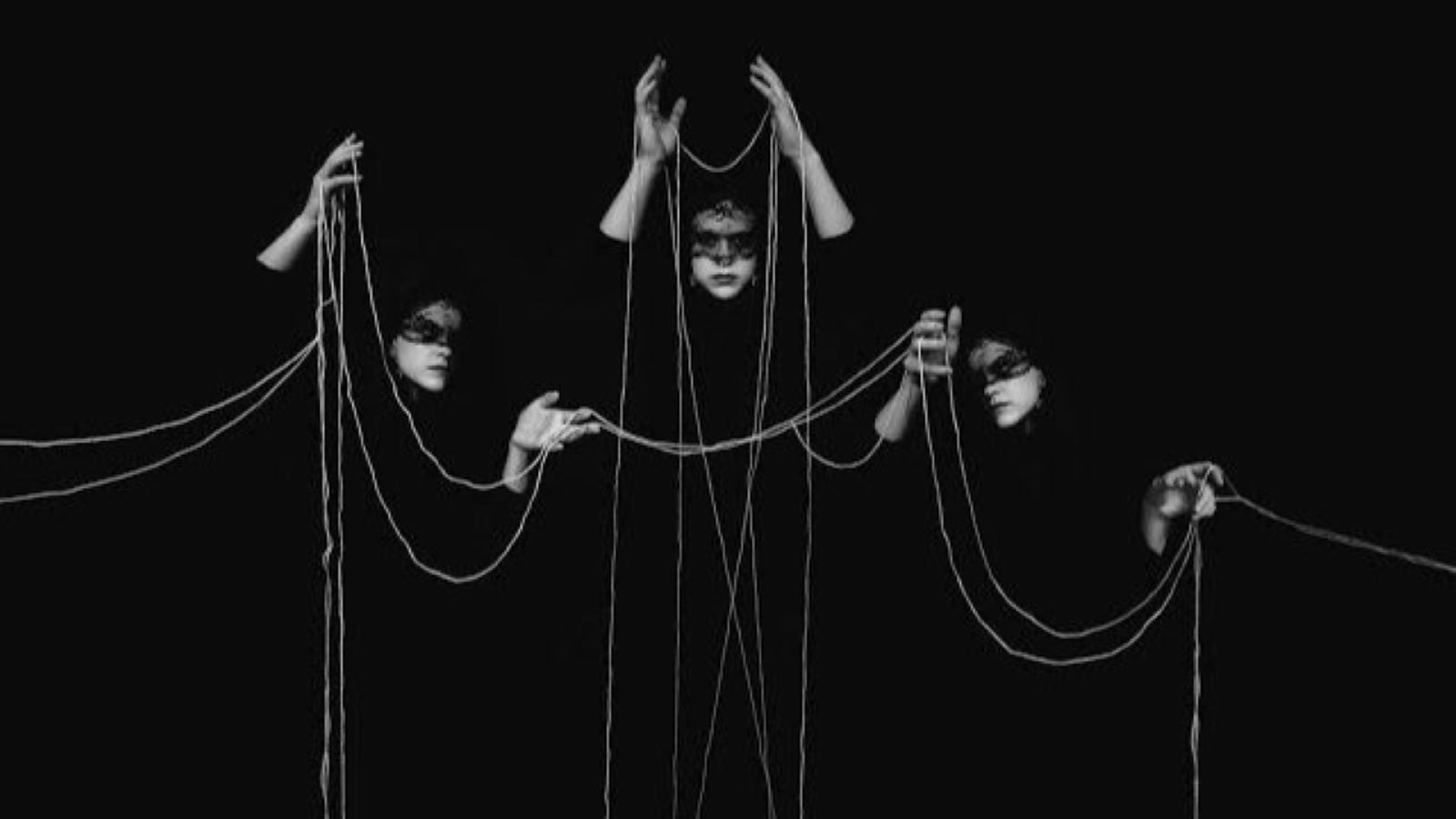
At the center of this belief stood the Norns, powerful female beings who shaped the fate of gods and mortals alike. They were not distant spirits but active forces, weaving the threads of life at the roots of Yggdrasil, the great world tree. One shaped the past, one governed the present, and one decided what was yet to come. Even Odin, ruler of the gods, could not escape their judgment. If the gods themselves were bound by fate, then fear served no purpose for humankind.
Why Death Was Not the Enemy
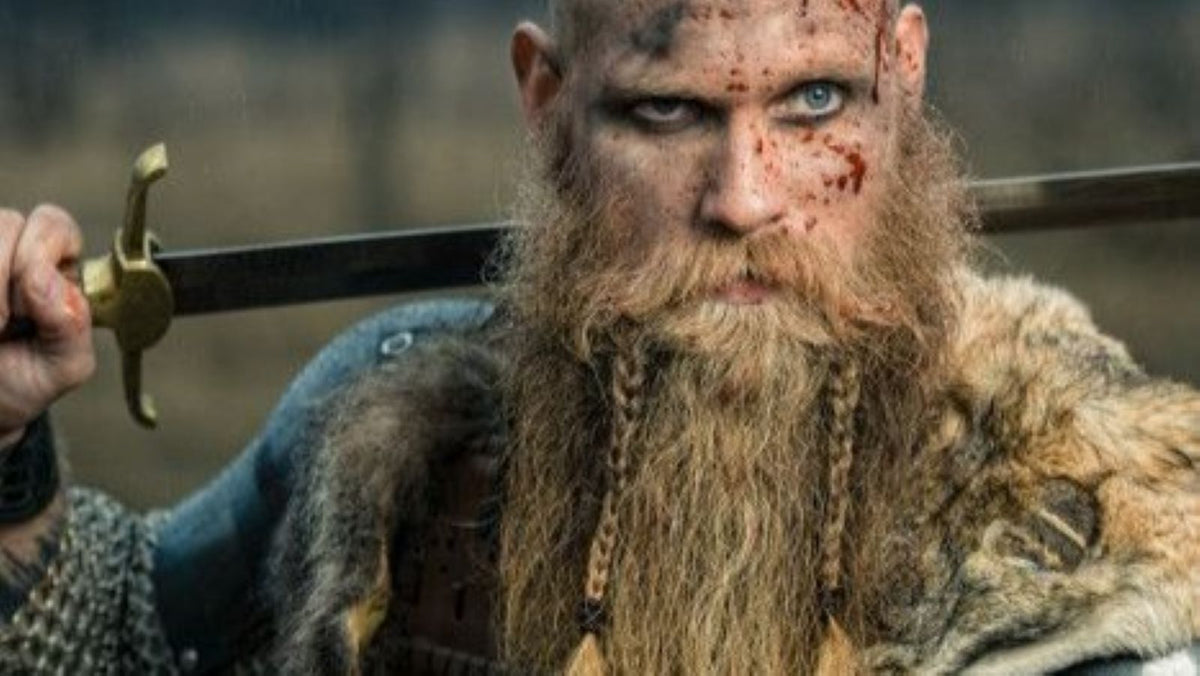
Death was not viewed as an ending, but as a transformation. A well-lived life mattered far more than a long one. To die with courage ensured that a person’s name would be spoken long after their body returned to the earth. Fear of death was seen as weakness, not because death was welcomed, but because it was inevitable. A warrior who fled battle could still meet death later, but without honor, without story, and without remembrance.
Courage as a Daily Practice
This mindset shaped everyday life, not just warfare. Crossing storm-filled seas, exploring unknown lands, and standing before powerful rivals all required acceptance of fate. Bravery was not reckless abandon but a conscious choice to act fully within the time granted. Knowing that the end could not be changed freed the Viking to live boldly, speak honestly, and act decisively.
The Afterlife and Lasting Legacy
Belief in fate did not eliminate hope. Different paths awaited the dead, shaped by how they lived and died. What mattered most was not avoiding death, but meeting it in a way worthy of song and memory. Legacy was a form of immortality, carried through stories, deeds, and bloodlines. To be remembered was to live on.
Why Fear Had No Power
Fear loses its grip when it cannot change the outcome. By trusting the judgment of the Norns, Vikings stripped death of its terror. Fate was not cruel, it was simply absolute. Within that certainty, they found strength. Life was to be lived fiercely, honorably, and without hesitation, because when the final thread was cut, it would be done by destiny, not by fear.
The Viking relationship with death was not dark or morbid. It was grounded, resolute, and deeply human. By accepting fate, they mastered fear. In doing so, they left behind a worldview that still resonates today, one that values courage over comfort and meaning over longevity.